Blog

Your blog category

Blog

“Stress-Free Gluten-Free Lunch Packing Guide for 2025”

2025 Guide Download the Free Guide to Stress-Free Gluten-Free Lunch Packing Gluten-Free Lunch Box Ideas for School, Work & Busy Days Packing a gluten-free lunch that’s safe, filling, and actually exciting to eat can feel like a part-time job. This guide walks you through easy, real-life lunch box ideas for school, work, travel days, and everything in between—without relying on expensive specialty products or complicated recipes. Download Our Free Gluten-Free Starter Guide 7-day meal plan shopping list Tips & 3 beginner-friendly recipes download now Introduction If you’re gluten-free, you already know: lunchtime is where things can go off the rails. Between mystery sauces, shared toasters, and “oh, I didn’t realize that had wheat in it,” it’s no wonder so many of us end up skipping meals or eating the same safe snack plate on repeat. The good news is that with a little planning (and the right containers), gluten-free lunch boxes can be fun, colorful, budget-friendly, and genuinely satisfying. Whether you’re packing for kids, yourself, or the whole household, you don’t need fancy recipes or endless baking days—just reliable building blocks and smart shortcuts. In this guide, we’ll cover gluten-free lunch box ideas for school, office, and on-the-go days, plus what to look for when choosing lunch containers, how to balance nutrition without getting obsessive, and simple prep tips that make weekday mornings so much easier. Use this as a mix-and-match toolbox you can come back to all year long. Table of Contents ▾ 1. Gluten-Free Lunch Box Basics: Safety & Smart Swaps 2. Bento-Style Gluten-Free Lunch Ideas & Favorite Lunch Box 3. Gluten-Free Lunch Ideas for Work, School & On-the-Go 4. Make-Ahead Prep Tips for Easier Gluten-Free Lunches 5. Sample Gluten-Free Lunch Box Combinations 1. Gluten-Free Lunch Box Basics: Safety & Smart Swaps Before we talk about cute lunch combinations, we have to talk about safety. Gluten-free isn’t a trend for many of us—it’s a medical necessity. That means your lunch needs to be both delicious and protected from hidden gluten and cross-contact. Know where gluten hides at lunchtime Beyond obvious sources like regular bread, wraps, and crackers, gluten often sneaks into: Condiments: soy sauce, malt vinegar, some salad dressings, and marinades Processed meats: meatballs, some sausages, breaded chicken, formed deli meats Snacks: granola bars, “baked” chips, seasoned crisps, snack mixes Soups & leftovers: thickened with flour, or made with gluten-containing broths Always check labels and look for certified gluten-free where possible, especially for high-risk items like oats, crackers, and snack bars. Prevent cross-contact in your lunch routine Even if your ingredients are naturally gluten-free, crumbs from family bread, a shared cutting board, or the office toaster can undo your hard work. A few simple habits go a long way: Reserve a gluten-free cutting board and knife at home for bread, wraps, and snacks. Use squeezable bottles or single-serve packs for condiments instead of shared jars. Skip the shared toaster at school or the office. Pack items that taste good cold or at room temp. Keep a small “GF only” stash at work (tuna packets, nuts, rice cakes, etc.) for backup lunches. Build a balanced gluten-free lunch without overthinking it You don’t need to count every macro to feel full and energized. Instead, think in simple building blocks: Protein: chicken, eggs, cheese, Greek yogurt, beans, tofu, tuna, turkey, hummus Carbs: gluten-free bread, rice, quinoa, corn tortillas, potatoes, gluten-free crackers Fats: avocado, nuts, seeds, cheese, olive oil-based dressings Color: fruits and veggies in at least two different colors when possible When in doubt, ask: Do I have something to keep me full (protein), something for energy (carb), and at least a bit of color? If yes, you’re doing great. Need Help Staying Organized? Plan meals & shopping Stay on track with ease See Planner 2. Bento-Style Gluten-Free Lunch Ideas & Favorite Lunch Box Bento-style lunch boxes are a gluten-free dream: separate compartments keep crackers away from juicy fruit, dips away from sandwiches, and everything safely contained. They also make it easier to “see” your building blocks—protein, carb, color—at a glance. Here are some bento-style, naturally gluten-free combinations you can mix and match: Snacky adult lunch: sliced turkey, cheddar cubes, gluten-free crackers, cucumber rounds, berries, and a small square of dark chocolate. Kid-friendly mini picnic: rolled ham or turkey, baby carrots, apple slices, popcorn, and a small pot of hummus or ranch (check it’s gluten-free). Mediterranean box: hummus, gluten-free pita or rice crackers, cherry tomatoes, olives, sliced peppers, and feta. DIY taco box: corn tortilla chips, seasoned ground beef or beans, shredded cheese, salsa, and guacamole. For naturally “messier” gluten-free foods like yogurt, dips, or saucy leftovers, a well-designed lunch box that prioritizes leak resistance and chilled storage makes a huge difference in how practical your lunches feel on busy days. Bentgo Chill Max Lunch Box it’s perfect for anyone who wants cute, organized, Instagram-able gluten-free lunches. The built-in ice pack keeps things fresh, the compartments are perfect for snacks, dips, and small portions, and it’s leak-proof (so your hummus doesn’t redecorate your tote bag). Ideal for school, work, picnics, travel days, or long study sessions. → View on Amazon 3. Gluten-Free Lunch Ideas for Work, School & On-the-Go Let’s turn the basics into real-world ideas you can plug into your week. These are intentionally flexible—you can swap proteins, veggies, and carbs based on what you have on hand and what your body tolerates best. Gluten-free lunch ideas for school Roll-up sandwiches: Use gluten-free tortillas or corn tortillas with turkey, cheese, and lettuce. Add carrot sticks, apple slices, and a small yogurt (check it’s gluten-free). Pasta salad box: Cook gluten-free pasta, toss with olive oil, diced cucumber, cherry tomatoes, cheese cubes, and a sprinkle of salt and herbs. Add grapes and a small treat. Breakfast-for-lunch: Mini gluten-free pancakes or waffles, hard-boiled egg, strawberries, and a small container of maple syrup or nut butter for dipping. DIY lunchable: Gluten-free crackers, sliced cheese, turkey or ham, cucumber coins, and a fun dip like guacamole or hummus. If your child eats in a
Blog

“Mastering Gluten-Free Snack Boxes: The 2025 Guide”

2025 Guide Grab Your Free Guide to Stress-Free Gluten-Free Snacking The Ultimate Guide to Gluten-Free Snack Boxes for Travel, Work & Busy Days Gluten-free snack boxes can be a total game changer when you’re constantly on the go, juggling work, travel, kids, social events—or all of the above. Instead of scrambling to find something safe at the last minute, you’ve got a curated stash of gluten-free snacks ready to go. In this guide, you’ll learn how to choose the right gluten-free snack box for your lifestyle, what to look for on labels, and how to build your own “always-prepared” snack kit so you’re never stuck hungry with nothing safe to eat. Download Our Free Gluten-Free Starter Guide 7-day meal plan shopping list Tips & 3 beginner-friendly recipes download now Introduction Life doesn’t pause just because you’re gluten free. There are office days that run long, road trips where the only gas-station options are mystery snacks, kids’ birthday parties, and movie nights where everyone else seems to be tearing into “regular” snacks. That’s exactly where gluten-free snack boxes come in—think of them as your personal safety net against getting stuck hungry or having to settle for yet another plain salad while everyone else munches happily. Good gluten-free snack boxes save you time, reduce decision fatigue, and help you avoid the constant mental math of “Is this safe for me?” when you’re tired or distracted. But with so many options out there, it can be hard to know what’s actually worth your money and what’s just clever packaging. Some are perfect for travel, some are better for kids’ lunchboxes, and some are ideal for sharing at social events so you’re not the only one eating from your own special stash in the corner. This guide walks you through how to use gluten-free snack boxes strategically—at work, on the road, in social situations, and at home. You’ll learn how to read labels more confidently, what to prioritize if you’re also dairy-free or nut-free, plus simple ways to build your own snack box system so your future self is always taken care of. No drama, no panic, just snacks you can actually enjoy. Table of Contents ▾ 1. Why Gluten-Free Snack Boxes Are a Lifesaver 2. Best Uses for Pre-Made Gluten-Free Snack Boxes 3. How to Build Your Own Gluten-Free Snack Box System 4. Label Reading & Safety Tips for Snack Boxes 5. Simple Gluten-Free Snack Routines for Real Life 1. Why Gluten-Free Snack Boxes Are a Lifesaver Gluten-free snack boxes sit right at the intersection of convenience and safety—and when you’re gluten free, that combination is pure gold. Having a dedicated stash of safe snacks means you’re not always at the mercy of whatever is available in the moment, which can be especially stressful if you’re dealing with celiac disease or high gluten sensitivity. Here are a few ways gluten-free snack boxes can make your life easier: They reduce decision fatigue. Instead of standing in front of your pantry or a vending machine wondering what’s safe, you grab something pre-vetted from your box. Done. They act as a safety net for last-minute plans. Got invited somewhere with food you’re not sure about? Bring your box. You can participate, share, and not feel like you’re “the difficult one.” They support better energy and mood. When you don’t go long stretches without eating (because there was nothing safe), you tend to feel more focused, less irritable, and just generally more human. They’re an easy way to test new products. Snack assortments often include a mix of brands and flavors you might not have picked up individually. It’s a low-effort way to discover new favorites. There’s also a huge emotional benefit: knowing you’re prepared. Gluten-free life can sometimes feel like you’re always on alert. Building systems—like snack boxes—lets you relax a little because you know you’ve already taken care of your future self. That “I’ve got this” feeling is incredibly valuable, especially if you’re newly gluten free or still building confidence. Snack boxes also work beautifully for families. If one person in the household is gluten free, having a clearly labeled gluten-free snack box keeps things simple for everyone: kids know what they can safely grab, partners or caregivers know what’s off-limits to gluten crumbs, and guests can quickly see what’s safe to share. Need Help Staying Organized? Plan meals & shopping Stay on track with ease See Planner 2. Best Uses for Pre-Made Gluten-Free Snack Boxes Pre-made gluten-free snack boxes are especially helpful when you need something fast and ready to go. They can act as a starter kit while you figure out your personal favorites, or as a grab-and-go solution for busy seasons when you don’t have capacity to plan everything from scratch. Here are some smart ways people use them: At work: Keep a box in your desk drawer or office cabinet so you always have safe snacks during long meetings, late afternoons, or surprise working lunches. In the car: Store individually wrapped items in a small container in your car for road trips, kids’ activities, and those “I stayed out longer than planned” moments. For travel: Airports, train stations, and hotels can be hit or miss. Having your own dedicated stash takes the pressure off finding something safe and lets you skip overpriced emergency snacks. For social events: Movie nights, game nights, board game marathons, and picnics are all easier when you can contribute a gluten-free snack box that everyone can enjoy, while still being confident there’s plenty you can eat. As a gift: For a newly diagnosed friend, college student, or someone in the military, gluten-free snack boxes can be a genuinely thoughtful, practical gift. When you’re choosing a pre-made snack box, look for options with individually wrapped items, a good balance of sweet and savory, and clear gluten-free labeling. If you have additional dietary needs—like dairy-free, nut-free, or vegan—double-check the full product list before purchasing so you’re not stuck with a box you can’t fully enjoy. Snack BOX Gluten

Blog

Mastering Gluten-Free Dining Out: A 2025 Guide

2025 Guide Download the Free Guide to Confident Gluten-Free Eating Out Gluten-Free Travel & Restaurants: How to Eat Out Without Getting Glutened Navigating restaurants, cafés, and airport food courts on a gluten-free diet can feel like a strategic mission. This guide walks you through how to order safely, read between the lines of menus, and advocate for yourself—so you can enjoy the social side of food again without constantly worrying about gluten surprises. Download Our Free Gluten-Free Starter Guide 7-day meal plan shopping list Tips & 3 beginner-friendly recipes download now Introduction Eating gluten free at home is one thing; trusting a stranger with your food is another. Travel, date nights, work lunches, and family celebrations almost always involve restaurants—and for anyone gluten free, that can mean stress, awkward conversations, and sometimes, getting “glutened” despite your best efforts. The goal of this guide is to help you move from anxious guessing to calm, repeatable strategies. You’ll learn how to choose restaurants that really understand gluten free, what to say to servers without feeling high-maintenance, and how to spot red flags before they become a ruined evening. Whether you’re medically gluten free or simply feel better avoiding gluten, these steps will help you protect your plate and your peace of mind. Consider this an evergreen roadmap: you can use the same questions, scripts, and habits in your hometown, on a weekend trip, or in a new country. With a bit of preparation and the right tools, it is absolutely possible to eat out, travel, and still feel like you’re living your life—not orbiting around gluten. Table of Contents ▾ 1. Planning Gluten-Free Meals Out: Before You Go 2. Ordering Safely: Conversation Scripts & Smart Tools 3. Travel-Specific Tips: Airports, Hotels & Road Trips 4. Hidden Gluten in Restaurant Foods (& How to Spot It) 5. Building Confidence Over Time: Systems That Stick 1. Planning Gluten-Free Meals Out: Before You Go The safest gluten-free restaurant experience actually starts long before you sit down at the table. A bit of prep work can dramatically lower your risk and your stress level. 1.1 Choose restaurants strategically Not all “gluten-free friendly” places are equal. When possible, look for: Dedicated gluten-free menus or clearly labeled GF items Cuisines that are easier to adapt (think: fresh Mexican, farm-to-table, steak houses, Mediterranean) rather than heavy breaded or pasta-focused cuisines Reviews from gluten-free diners on Google, Yelp, or dedicated GF apps that mention good staff knowledge and safe handling Smaller, chef-driven spots that cook from scratch and can explain ingredients clearly If you’re traveling, do a quick search like “gluten free restaurant near [city]” and then read the actual reviews—look for mentions of cross-contact, staff training, and successful visits from people who also need to avoid gluten. 1.2 Call ahead (yes, it really helps) A short phone call can tell you more than any website menu. When you call, you might say something like: “Hi! I need to eat strictly gluten free. Do you have options that can be prepared without gluten, and can your kitchen avoid cross-contact with gluten (like shared fryers, cutting boards, or pasta water)?” Pay attention to how the person answers: Good signs: they know what gluten is, mention separate prep areas or procedures, or offer to check with the chef. Red flags: “We have salad, you’ll be fine,” “Just avoid the bread,” or “We’re not really sure.” If you’re traveling internationally, you can keep translated “gluten free” explanation cards in your phone or wallet to make the conversation easier in another language. 1.3 Check menus with a “gluten radar” When you browse menus online, practice scanning for both safe bets and likely problems: Often easier to make GF: grilled meats or fish, salads without croutons, rice-based dishes, baked potatoes, veggie plates, tacos with corn tortillas (if verified GF). Often risky: fried foods (shared oil), anything “crispy” or “battered,” soups and sauces (they’re often thickened with flour), imitation crab, soy sauce-based dishes, and desserts that aren’t clearly labeled GF. If you can identify a couple of dishes that look easily adjustable (like “hold the bun, no sauce, no croutons”), you’ll feel much more confident when you arrive. 1.4 Always have a backup plan Even with planning, a restaurant can turn out to be less safe than it looked. That’s why it helps to: Save two or three backup restaurants nearby in your map app Carry a small GF emergency kit—pack shelf-stable snacks like nuts, GF crackers, bars, or instant oatmeal you can make with hot water For travel days, eat a substantial meal before you go so you’re not stuck choosing between “maybe glutened” food and being starving When you assume you might need a backup, you’re never stuck. And ironically, that mindset usually makes the whole outing feel more relaxed. Need Help Staying Organized? Plan meals & shopping Stay on track with ease See Planner 2. Ordering Safely: Conversation Scripts & Smart Tools Once you’re seated, the most important tools you have are your words. Your goal is to clearly communicate your needs without apologizing for them—and to quickly gauge whether the restaurant can genuinely support you. 2.1 How to talk to your server with confidence Use simple, specific language. Instead of “I’m gluten free,” try something like: “I need my meal to be completely gluten free, including avoiding cross-contact with gluten. Can you help me choose a safe option, or check with the chef?” This signals that you’re not just skipping bread for fun; you’re asking for a real process. When discussing menu items, you can ask: “Is this grilled on a shared surface with breaded items?” “Do you use a shared fryer for fries and breaded foods?” “Is there flour or soy sauce in this sauce or marinade?” “Can you prepare this in a clean pan with clean utensils?” Servers who are used to gluten-free diners will recognize these questions and usually have clear answers. If they seem uncertain, ask them (kindly) to double-check with the kitchen. 2.2 Sample order scripts

Blog

Ultimate Gluten-Free Baking Flour Guide for 2025

2025 Guide Download the Ultimate Gluten-Free Baking Flour Guide (So Your Bakes Actually Work) Gluten-Free Flour 101: How to Choose, Store, and Bake With Gluten-Free Flour (Without the Guesswork) Gluten-free baking stops being a chaotic science experiment the moment you understand your flour. In this guide, you’ll learn how to choose the right gluten-free flour or blend for any recipe, store it so it stays fresh, and use simple techniques to get soft breads, tender muffins, and cookies that don’t crumble into dust. Download Our Free Gluten-Free Starter Guide 7-day meal plan shopping list Tips & 3 beginner-friendly recipes download now Introduction If you’ve ever pulled a gummy loaf, sandy cookie, or brick-like muffin out of the oven and thought, “But I followed the recipe…,” there’s a good chance the real culprit was your flour. In gluten-free baking, flour choice is everything. It affects texture, structure, browning, and even flavor in a much bigger way than in traditional wheat baking. The good news: once you understand the different types of gluten-free flours, how blends work, and a few simple rules for swapping and measuring, you can stop guessing and actually enjoy consistent results. Instead of endlessly pinning new recipes, you’ll be able to make your favorites on repeat — and trust they’ll turn out. This guide walks you through the essentials of gluten-free flour: the main types, how and when to swap them, tips for storage and freshness, and the key techniques that make gluten-free batters and doughs behave. Think of it as your friendly roadmap to using gluten-free flour with confidence, whether you’re baking pancakes on a Sunday morning or tackling a holiday pie. Table of Contents ▾ 1. Understanding Gluten-Free Flour Basics 2. Choosing the Right Gluten-Free Flour Blend for Baking Success 3. How to Substitute Gluten-Free Flour in Your Favorite Recipes 4. Storage, Freshness, and Avoiding Cross-Contact 5. Troubleshooting Common Gluten-Free Flour Baking Problems 1. Understanding Gluten-Free Flour Basics Before you can choose the best gluten-free flour for baking, it helps to know what’s actually in that bag. In wheat baking, “all-purpose” flour does a lot of jobs at once: it provides structure, stretch, tenderness, and a neutral base. In gluten-free baking, no single flour can do all of that — which is why blends are so important. Single gluten-free flours vs. blends Single flours come from just one ingredient: rice flour, sorghum flour, almond flour, coconut flour, and so on. Each has a unique flavor and performance profile. On their own, they rarely behave like wheat flour. For example: White rice flour is mild but can be gritty if not finely milled. Brown rice flour has more flavor but can taste slightly nutty or earthy. Almond flour is rich and tender but heavy; it needs lots of eggs or binders. Coconut flour is extremely absorbent and can’t be swapped 1:1 with other flours. Gluten-free flour blends combine several flours plus starches (like tapioca or potato) and usually a binder such as xanthan gum or guar gum. This combination is what gives you a more “all-purpose” result: better structure, less crumbling, and a more familiar texture in cakes, cookies, and quick breads. The role of starches and binders In gluten-free baking, you’re essentially rebuilding what gluten does, using other tools: Starches (tapioca, potato, corn, arrowroot) add lightness, chew, and that slightly stretchy, cohesive feel. They also help with browning and crisp edges. Binders (xanthan gum, guar gum, psyllium husk) hold everything together so your muffins don’t crumble when you look at them. Many commercial flour blends already contain a binder; if yours doesn’t, recipes will often direct you to add some. When you use a well-formulated gluten-free flour blend, a lot of that balancing work is already done for you — which is exactly what you want if you’re baking for your family on a busy weeknight and not trying to build a custom flour lab at home. Why all gluten-free flours are not interchangeable One of the most common mistakes people make is treating all gluten-free flours as if they’re the same. Swapping coconut flour for a 1:1 blend, or almond flour for rice flour, will almost always lead to disappointing results because their absorption, density, and fat content are completely different. As a rule of thumb: Use a trusted all-purpose gluten-free flour blend for most recipes that call for “wheat all-purpose flour.” Save specialty flours (almond, coconut, chickpea, teff, etc.) for recipes specifically written for them. When a recipe author specifies a particular brand of gluten-free blend, use it if you can — blends vary more than you’d think. Once you accept that gluten-free flour isn’t one thing but a category, it becomes much easier to choose the right one for each job and get the results you actually want. Need Help Staying Organized? Plan meals & shopping Stay on track with ease See Planner 2. Choosing the Right Gluten-Free Flour Blend for Baking Success When you’re learning gluten-free baking, a reliable 1:1 flour blend is your best friend. It simplifies things dramatically because you can often use it cup-for-cup in recipes that were originally written for wheat flour, especially pancakes, muffins, drop cookies, and quick breads. Here’s what to look for when you’re choosing a go-to blend for everyday baking: Fine texture: A good blend should feel silky, not sandy. Grittiness in the bag usually means grittiness in your baked goods. Balanced ingredients: You want a mix of whole-grain flours (like rice or sorghum) and starches (like tapioca or potato) for structure and tenderness. Consistent performance: The blend should work well in a wide range of recipes — not just one type of bake. Built-in binder (optional but helpful): Many blends include xanthan gum so you don’t need to add your own for most recipes. Once you choose a blend that performs well in your kitchen, stick with it for a while. This allows you to really get to know how it behaves with your oven, your measuring style, and your favorite recipes.

Blog

“Mastering Gluten-Free Meal Prep: A 2025 Guide”

2025 Guide Download Your Free Guide to Stress-Free Gluten-Free Meal Prep Gluten-Free Food Storage & Meal Prep Essentials (So Your Week Actually Feels Easy) Gluten-free eating gets dramatically easier when your fridge, freezer, and pantry are set up to work for you instead of against you. In this guide, you’ll learn how to store gluten-free food safely, prep ahead without soggy leftovers, and build a kitchen system that saves time, money, and decision fatigue—all while keeping cross-contact in check. Download Our Free Gluten-Free Starter Guide 7-day meal plan shopping list Tips & 3 beginner-friendly recipes download now Introduction Going gluten free changes what you eat—but it also changes how you store, prep, and organize food. Suddenly you’re thinking about breadcrumbs on cutting boards, flour dust in containers, and whether yesterday’s leftovers are still safe. The good news: with a few smart systems, gluten-free food storage and meal prep can feel calm, streamlined, and honestly…pretty satisfying. This article walks you through practical, real-life strategies to keep your gluten-free food safe, fresh, and ready to grab. We’ll talk about how to avoid cross-contact in the fridge, what containers actually make a difference, how to prep once and eat well all week, and how to build habits that fit into a busy life—not a fantasy schedule. Use this as your evergreen roadmap: whether you’re brand new to gluten free or a few years in and still feeling a little scattered, you’ll find simple tweaks that make your kitchen feel more organized, your meals more consistent, and your gluten-free lifestyle much easier to maintain long-term. Table of Contents ▾ 1. Setting Up a Gluten-Free Friendly Fridge, Freezer & Pantry 2. Safe & Smart Containers for Gluten-Free Storage 3. Gluten-Free Meal Prep Basics for Busy Weeks 4. Labeling, Rotation & Preventing Food Waste 5. Sample Gluten-Free Prep Routine You Can Steal 1. Setting Up a Gluten-Free Friendly Fridge, Freezer & Pantry Before you think about batch cooking or cute containers, you need a layout that keeps gluten-free food safe from cross-contact. That starts with how you organize the spaces you use every day: fridge, freezer, and pantry. Designate Gluten-Free “Safe Zones” If you share a kitchen with people who still eat gluten, make it visually obvious where the gluten-free food lives. A few ideas: Choose one shelf in the fridge that’s gluten free only—ideally eye level so it’s easy to monitor. Use a bin or caddy labeled “GF” for bread, wraps, and baked goods so they never sit next to gluten versions. In the pantry, dedicate one section to sealed gluten-free items and keep gluten-containing flours and crumbs far away. Clear boundaries mean fewer “wait, is this mine or yours?” moments and less guesswork when you’re tired or rushing. Store Gluten-Free Above Gluten-Containing Foods In the fridge, gravity matters. If someone tosses a regular baguette on the top shelf, crumbs can fall onto your carefully stored leftovers below. To reduce risk: Keep gluten-free food on the top or at least above gluten-containing food whenever possible. Use closed containers (not just foil loosely wrapped around a plate) for gluten-free leftovers. Avoid open bowls or plates for anything gluten free; lids are your best friend here. A simple “GF lives on the higher shelves” rule is easy for the whole household to remember. Create a Gluten-Free Baking & Prep Zone If you bake or cook from scratch, set up a small area that’s reliably gluten free. This could be one counter section plus a drawer or cabinet. Stock it with: Dedicated gluten-free cutting boards and utensils Measuring cups and spoons used only for gluten-free recipes Gluten-free flours, starches, and baking ingredients in sealed containers Labeling these tools (a bit of tape or a marker dot works) helps others in the household remember not to mix them into the general drawer. Pantry Systems That Make Gluten-Free Eating Easier The pantry is where convenience either happens or falls apart. Instead of random bags stacked on top of each other, think in “zones” and “grab-and-go.” Breakfast zone: gluten-free oats, cereal, chia seeds, nut butters, shelf-stable plant milk. Quick dinner zone: gluten-free pasta, sauces, canned beans, tomatoes, broths labeled gluten free. Snack zone: bars, crackers, nuts, and seeds you know are gluten free, in a clear bin. Zones help you see what you’re low on at a glance and make it easier to pack a safe lunch or pull together a fast dinner without hunting for ingredients. Make Cleanliness Part of Your Storage Strategy Crumbs are sneaky. A few habits keep surfaces—and therefore your stored food—safer: Wipe pantry shelves regularly, especially around bread, cereals, and snack foods that shed crumbs. Use liners or washable mats on shelves where gluten items are stored so crumbs are easy to contain and clean. In shared spaces, keep a separate sponge or cloth for gluten-free prep areas to avoid spreading residue around. Think of this as quiet background maintenance that supports all your other gluten-free efforts. Need Help Staying Organized? Plan meals & shopping Stay on track with ease See Planner 2. Safe & Smart Containers for Gluten-Free Storage The right containers don’t have to be fancy, but they do need to keep gluten-free food sealed, visible, and easy to grab. This isn’t just about aesthetics; smart storage prevents accidental mix-ups and helps your food last longer. Why Dedicated Gluten-Free Containers Help When everyone in the household knows, “these containers are for gluten-free only,” you cut down on confusion. A few guidelines: Choose one style or color to signal gluten free (for example, all white lids or all glass with blue lids). Keep these containers in the same drawer or cabinet so you reach for them automatically. Use them for leftovers, prepped ingredients, and snacks that absolutely must stay gluten free. This simple visual system is especially helpful for kids, partners, or roommates who are still learning what gluten free means in daily life. Best Types of Containers for Gluten-Free Kitchens Different materials have different strengths for storage and meal prep: Glass containers: Great

Blog

“Easy Gluten-Free Lunch Box Guide: Tips, Ideas, and Recipes for a Stress-Free Lunchtime”

2025 Guide Pack Stress‑Free Gluten-Free Lunches with Our Free Guide Gluten-Free Lunch Box Ideas: Easy, Safe & Actually Satisfying Running out of gluten-free lunch box ideas is completely normal—especially when you’re juggling school, work, activities, and trying not to live on rice cakes. This guide walks you through simple, real-life gluten-free lunch ideas, how to build a balanced box without gluten, and smart tools that make packing safer, faster, and more fun. Download Our Free Gluten-Free Starter Guide 7-day meal plan shopping list Tips & 3 beginner-friendly recipes download now Introduction When you’re gluten-free, the lunch box can quickly feel like enemy territory. Crumbs everywhere, mystery sauces, and “Oh, I didn’t realize that had wheat in it” moments are exhausting. Whether you’re packing for yourself, a child with celiac, or a gluten-free teen who’s constantly on the go, you need options that are safe, filling, and not embarrassingly boring. The good news: gluten-free lunch box ideas don’t have to be complicated or expensive. With a little structure, a few pantry staples, and smart containers, you can mix and match ingredients into lunches that feel more like tiny picnics than sad desk meals. Think build-your-own snack boxes, DIY “Lunchables,” hearty salads, and leftovers that actually reheat well. This guide will walk you through how to plan gluten-free lunches, avoid common cross-contact pitfalls, and keep things fresh and organized. You’ll get specific lunch box combinations, make-ahead tips, and practical advice for school, work, and travel days—so packing a gluten-free lunch becomes one of the easiest parts of your day. Table of Contents ▾ 1. Gluten-Free Lunch Box Basics: What to Know Before You Pack 2. Smart Gluten-Free Lunch Box Gear & Containers 3. Easy Gluten-Free Lunch Box Ideas by Type 4. Make-Ahead & Meal Prep Tips for Busy Weeks 5. FAQs: School, Work, and On-the-Go Gluten-Free Lunches 1. Gluten-Free Lunch Box Basics: What to Know Before You Pack Before you start brainstorming cute gluten-free lunch box ideas, it helps to nail the basics: what “gluten-free” really means for your lunch, how to avoid cross-contact, and how to build a meal that actually keeps you full until dinner. What “gluten-free” means in a lunch box setting In a perfect world, simply removing the bread would make a lunch gluten-free—but you and I both know it’s not that simple. Gluten can hide in sauces, marinades, processed meats, and those “healthy” snack bars in pretty packaging. When packing lunches: Always read labels on deli meats, dressings, crackers, snack packs, and bars. Look for certified gluten-free where possible. Watch out for shared equipment in your own kitchen (toasters, wooden boards, colanders for pasta, etc.). Be wary of bulk bins—scoops and bins are often shared with gluten-containing items. Cross-contact: the invisible lunch box problem Cross-contact happens when gluten-free food touches gluten, or shared surfaces and utensils. In lunch boxes, common culprits include: Crumbs from regular bread getting onto fruit, cheese, or gluten-free crackers. Shared tubs of hummus, peanut butter, or jam that have been “double-dipped” with gluteny bread. Cutting gluten-free sandwiches on the same board used for regular bread. To lower the risk: Keep a dedicated gluten-free cutting board, knife, and toaster if someone else in the house eats gluten. Pre-portion dips, spreads, and condiments into small containers instead of using shared jars. Wash lunch containers, lids, and utensils thoroughly—especially seals and corners where crumbs can hide. How to build a balanced gluten-free lunch box Whether it’s for school or work, the same formula works beautifully for gluten-free lunches: Protein: grilled chicken, hard-boiled eggs, tuna or chickpea salad, cheese, Greek yogurt, tofu, beans. Gluten-free carbs: rice, quinoa, potatoes, corn tortillas, gluten-free bread or wraps, certified gluten-free crackers. Healthy fats: avocado, nuts, seeds, cheese, olive-based dressings, nut or seed butter. Colorful produce: cut veggies, salad, fruit slices, berries, or a simple slaw. Think of your lunch box as a mini tasting board. If you’ve got at least one item from each of these buckets, you’re in great shape—and less likely to end up starving at 3 p.m. and raiding the nearest vending machine. Stocking a gluten-free lunch “capsule pantry” Having a small go-to list of staples makes packing much easier. Rotate through: Certified gluten-free crackers and rice cakes Canned tuna, beans, or chickpeas Single-serve hummus or guacamole cups Pre-washed salad greens and baby carrots Microwaveable rice or quinoa cups (for office or dorm) Gluten-free granola or trail mix (check labels for barley malt) Mix and match these with fresh items and leftovers, and you’ll never start a week staring blankly into the fridge. Need Help Staying Organized? Plan meals & shopping Stay on track with ease See Planner 2. Smart Gluten-Free Lunch Box Gear & Containers The right container can turn “random fridge food” into a satisfying gluten-free lunch box that feels intentional and fun. Good gear also helps you avoid cross-contact, keep foods at safe temperatures, and prevent your salad dressing from leaking onto everything you own. What to look for in gluten-free-friendly lunch gear You don’t need fancy equipment, but a few thoughtful features make a big difference when you’re gluten-free: Separate compartments: ideal for keeping crackers away from moist foods and protecting gluten-free items from any questionable shared snacks at school or work. Leak-proof design: especially important if you’re using gluten-free sauces, soups, or dressings. Easy to clean: fewer nooks and crannies means fewer places for old crumbs to hide. Chilled options: built-in ice packs or insulated walls are great when you pack dairy, meat, or egg-based salads. Dedicated gluten-free containers If you live in a mixed gluten/gluten-free household, consider having containers that are used only for gluten-free meals. This is especially helpful for kids with celiac who might share table space with classmates eating regular sandwiches and snacks. Label them clearly, and try to keep them stored separately from containers used for gluten foods. This small step can significantly reduce stress in busy mornings. Bentgo Chill Max Lunch Box it’s perfect for anyone who wants cute, organized, Instagram-able gluten-free lunches. The built-in ice

Blog

Ultimate Gluten-Free Snack Box Guide for 2025

2025 Guide Download the Ultimate Gluten-Free Snack Survival Guide Best Gluten-Free Snack Box Ideas for Travel, Work & Busy Days Building a reliable gluten-free snack box can be the difference between feeling calm and prepared… or stuck with nothing but black coffee and envy at the office doughnuts. In this guide, you’ll learn how to stock a gluten-free snack box for work, school, travel, and emergencies so you’re never left hungry or guessing what’s safe. Download Our Free Gluten-Free Starter Guide 7-day meal plan shopping list Tips & 3 beginner-friendly recipes download now Introduction If you live gluten free, you quickly learn that “I’ll just grab something when I’m out” is… risky at best. Between hidden gluten, shared fryers, and limited options, a simple errand run or workday can turn into a stressful scavenger hunt for something safe to eat. That’s where a well-planned gluten-free snack box comes in. Think of it as your portable safety net: a small stash of reliable snacks that travels with you to the office, school, airplanes, road trips, and social events. Instead of scrambling, you simply open your box and choose something you already know works for you. In this article, we’ll walk through how to build a gluten-free snack box that fits your lifestyle, how to read labels with confidence, and how to keep things interesting so you don’t get bored. We’ll also look at a ready-made option if you want something fast and done-for-you. By the end, you’ll have a repeatable system for staying prepared—without spending hours in the snack aisle. Table of Contents ▾ 1. Why a Gluten-Free Snack Box Is a Lifesaver 2. Store-Bought Gluten-Free Snack Box Option 3. Building Your Own Gluten-Free Snack Box 4. Label-Reading Tips for Safer Snacking 5. How to Keep Your Snack Box Stocked & Interesting 1. Why a Gluten-Free Snack Box Is a Lifesaver A dedicated gluten-free snack box isn’t just a cute idea from Pinterest—it’s practical, stress-reducing, and genuinely life-improving when you can’t rely on food being available or safe. It reduces decision fatigue When you’re hungry, tired, traveling, or stuck in a long meeting, the last thing you want is to mentally run through every possible cross-contact scenario. With a stocked snack box, the decisions are already made. You’ve vetted these snacks, you know how your body responds to them, and you can just eat. It’s perfect for “everyone else is eating” moments You probably know those scenes all too well: office birthday cake, pizza in the conference room, snacks at book club, a long flight where everyone else gets pretzels. Having your own snacks on hand means you can still participate and enjoy something, instead of feeling like the odd one out with an empty plate. It helps you avoid risky last-minute choices Hunger can make even the most careful person think, “Maybe that’s fine just this once.” Your snack box gives you a safe alternative so you’re not tempted by questionable chips, mystery dips, or something from a shared fryer. It works in multiple scenarios Once you build the habit, you may want more than one snack box: Work snack box – Lives in your desk or locker. Car snack box – For errands, kids’ activities, and surprise traffic. Travel snack kit – So flights, layovers, and hotel stays are less stressful. Home “emergency” bin – For days when cooking simply isn’t happening. You can keep the same basic structure for all of them, then tweak the specifics based on how often you access the box and what kind of storage you have (fridge access vs. shelf only, no-melt vs. chocolate allowed, and so on). What makes a good gluten-free snack box? Every gluten-free snack box is personal, but there are some qualities that most people find helpful: Individually wrapped items that don’t rely on shared surfaces. Clearly labeled gluten-free products whenever possible. Mix of macros – some carbs for energy, some protein and fat to keep you full. Shelf-stable for several weeks or more. Portable – easy to toss in a bag, backpack, or carry-on. In the next section, we’ll look at one ready-to-go option that checks many of those boxes if you’d rather start with something pre-packed and build from there. Need Help Staying Organized? Plan meals & shopping Stay on track with ease See Planner 2. Store-Bought Gluten-Free Snack Box Option If you’re just starting out or don’t have the time (or energy) to curate your own variety of snacks right away, a pre-assembled snack box can be a helpful shortcut. It gives you a wide selection in one order, and you can quickly figure out which items you love enough to rebuy individually. Many people like using a ready-made box as a “starter kit,” then building their personalized version from there based on taste preferences, dietary needs, and how their body responds to different ingredients. The option below is an example of a snack box that’s popular for busy days, social events, and travel. Always remember to read ingredient labels yourself before eating, as formulations and facility practices can change over time. Snack BOX Gluten Free Healthy Care Package  This box is basically “emergency gluten-free social survival” in one package. It’s packed with individually wrapped snacks you can throw into your bag, keep at the office, bring to movie nights, or stash in your car so you don’t end up nibbling sad plain lettuce while everyone else has chips. Great for sharing, hosting, travel, or just living your best snack-gremlin life — gluten free. → View on Amazon 3. Building Your Own Gluten-Free Snack Box Once you’ve seen what a curated snack box looks like, it’s easier to design your own. The goal is not perfection; it’s to have enough safe, appealing options that you don’t end up stuck. Step 1: Choose your container Your container doesn’t need to be fancy. Pick something that fits your space and lifestyle: For work: a small plastic bin, shoebox-sized organizer, or drawer divider. For the car: a lidded

Blog

“Confident Gluten-Free Travel: A Complete Guide for 2025”

2025 Guide Download the Free Guide to Confident Gluten-Free Travel Gluten-Free Travel Toolkit: How to Eat Safely and Stress Less on the Go Traveling while gluten free can absolutely be exciting instead of anxiety-inducing—if you go in with a solid plan. This guide walks you through practical steps, tools, and scripts so you can explore new places, eat well, and still protect your gluten-free lifestyle without feeling like “that difficult guest” everywhere you go. Download Our Free Gluten-Free Starter Guide 7-day meal plan shopping list Tips & 3 beginner-friendly recipes download now Introduction “Will there be anything I can actually eat?” is one of the most common questions people ask themselves before traveling gluten free. Whether you’re dealing with celiac disease, non-celiac gluten sensitivity, or you simply feel better avoiding gluten, being away from your familiar kitchen and trusted brands can feel risky. The good news: with a bit of preparation, the right questions, and a few smart tools in your bag, gluten-free travel is not only possible—it can be enjoyable. You can say yes to spontaneous gelato stops, cozy cafés, and work trips without living on plain salad and panic alone. This article is your practical gluten-free travel toolkit. We’ll cover how to plan ahead, communicate your needs, use at-the-table testing tools wisely, pack smart snacks, and handle those “uh-oh, I might have been glutened” moments with more calm and less chaos. Use it as a checklist before each trip so you can focus more on the adventure and less on reading every crumb on your plate. Table of Contents ▾ 1. Planning a Gluten-Free Trip from Start to Finish 2. Gluten Testing on the Go: How Tools Fit into Your Travel Strategy 3. Eating Out Safely: Questions, Scripts, and Smart Choices 4. What to Pack: Gluten-Free Travel Snacks and Essentials 5. Handling Mistakes, Setbacks, and “Glutened” Days 1. Planning a Gluten-Free Trip from Start to Finish Strong planning is what turns a stressful gluten-free trip into a confident one. Think of it as building a safety net before you ever step on the plane, train, or in the car. You don’t need to control every variable (you can’t), but you can stack the odds heavily in your favor. Choose destinations and accommodations strategically Some destinations are naturally more gluten-free friendly than others. Big cities, wellness-oriented areas, and places with strong tourism often offer more options. When you can, prioritize: Destinations with known gluten-free restaurants or bakeries (search “[city] gluten-free restaurant” in advance). Regions where rice, corn, potatoes, or naturally gluten-free grains are staples. Places where ingredient labeling laws are relatively strong and transparent. Accommodation matters just as much as the location itself. If you can, look for: Short-term rentals or aparthotels with at least a mini-kitchen so you can prepare a few safe meals. Hotels with mini-fridges so you can store safe snacks, dairy, or leftovers. Places near supermarkets or health food stores you’ve already pinned on your map. Before you book, it’s completely reasonable to email or call a hotel and ask, “Do your rooms include a fridge, kettle, or microwave?” or “Is it possible to have a clean pan/utensil available?” Many are happy to help if they know in advance. Research restaurants before you go Once your destination is set, spend an hour building a short list of promising spots. Your goal is not perfection—it’s to make sure you’re not arriving hungry and desperate with zero leads. Use a combination of: Google Maps and reviews that mention “gluten-free,” “celiac,” or “allergy friendly.” Local gluten-free Facebook groups or community forums (search “gluten free + [city] group”). Blogs or local guides written by people who are gluten free and live in or visited your destination. Create a short list of 5–10 options and note: Address and neighborhood. Typical hours and whether they take reservations. Any mention of cross-contact awareness in reviews. If a spot looks especially promising, email or message them before your trip. Share your needs simply and ask what they can realistically do. This not only informs you; it also gives them time to prepare. Plan for the “edges” of travel: airports, stations, and gas stops Many gluten-free travelers run into trouble not at the destination, but on the way there. Airport food courts, roadside diners, and train snacks can be unpredictable. Before departure: Check your airport’s website for a list of restaurants and browse menus online. Look up chains you already trust at home and see if they’re at your route hubs. Pack a “just in case” meal (like a hearty salad, cold pasta, or rice-based dish in a leak-proof container) if allowed in your region. For road trips, pin supermarkets along your route. A quick stop to grab fresh fruit, yogurt, chips labeled gluten free, or prepared salads can be safer than relying purely on fast food. Create a simple travel folder or note To avoid mental overload, collect everything in one place you can quickly refer to: Restaurant shortlist with addresses and hours. Accommodation booking and notes (kitchen, fridge, neighborhood supermarket). Key phrases in the local language if traveling abroad (explaining you must avoid gluten). Photos of any doctor or dietitian notes if you like having documentation. This can be as simple as a shared Google Doc or a notes app folder. The magic is not in complexity—it’s in having your plan visible when you’re tired, hungry, and jet-lagged. Need Help Staying Organized? Plan meals & shopping Stay on track with ease See Planner 2. Gluten Testing on the Go: How Tools Fit into Your Travel Strategy Gluten testing tools are becoming more common in the gluten-free world, especially for travelers. They can offer extra data points when you’re in unfamiliar places, reading menus in another language, or trying foods with hidden ingredients. It’s helpful to think of these tools as one piece of a bigger strategy—not a replacement for asking questions, choosing restaurants carefully, or listening to your body. No device can see the entire kitchen, understand how bread crumbs fly,

Blog

Gluten-Free Baking Flour Guide: Mastering the Basics

2025 Guide Download the Free Guide to Foolproof Gluten-Free Baking Every Day Gluten-Free Baking Flour Guide: How to Choose, Use, and Substitute Like a Pro Gluten-free baking stops feeling intimidating the moment you understand your flour. This guide walks you through how to choose the right gluten-free baking flour, how to substitute it in your favorite recipes, and how to get soft, fluffy, never-gritty results—without wasting ingredients or time. Download Our Free Gluten-Free Starter Guide 7-day meal plan shopping list Tips & 3 beginner-friendly recipes download now Introduction Gluten-free baking has a reputation for being fussy and unpredictable, but most of the frustration comes down to one thing: flour. In traditional baking, “all-purpose flour” is simple—one bag, endless uses. In gluten-free baking, you’re suddenly faced with rice flours, starches, blends, gums, and specialty mixes, all promising perfect results. It’s no wonder so many people feel overwhelmed before they even preheat the oven. The good news is that once you understand how gluten-free baking flour works—and how to choose the right one for the right job—everything gets easier. Your pancakes start coming out fluffy instead of dense, your cookies spread the way they should, and your quick breads finally bake all the way through instead of staying gummy in the middle. You don’t need a culinary degree or a pantry full of obscure ingredients; you just need a clear, practical roadmap. In this guide, we’ll break down the essentials of gluten-free baking flour in plain language. You’ll learn what’s actually inside those blends, how to substitute them for wheat flour with confidence, and which mistakes to avoid so you stop wasting time, money, and energy. Whether you’re cooking for celiac disease, gluten sensitivity, or you simply feel better without gluten, this article will give you reliable, repeatable strategies you can use every time you bake. Table of Contents ▾ 1. Understanding Gluten-Free Baking Flour Basics 2. The Role of Gluten-Free All-Purpose Flour Blends 3. How to Substitute Gluten-Free Flour for Wheat Flour 4. Troubleshooting Common Gluten-Free Baking Problems 5. Pantry Planning and Time-Saving Tips 1. Understanding Gluten-Free Baking Flour Basics In gluten-free baking, “flour” doesn’t mean just one ingredient—it usually means a blend. Since gluten is responsible for structure, stretch, and chew in traditional baked goods, we have to recreate those qualities using a combination of different gluten-free flours and starches. Most gluten-free baking flours are built around three building blocks: Base flours – These provide body and flavor. Common examples include white rice flour, brown rice flour, sorghum flour, or oat flour (certified gluten-free). They behave most like traditional flour but can be gritty or dense if used alone. Starches – Starches add lightness and tenderness. Tapioca starch, potato starch, and cornstarch are the most common. They help baked goods rise and create that soft, bakery-style crumb. Binders – Since we don’t have gluten to hold everything together, binders like xanthan gum or guar gum help mimic that elasticity. Some blends include them; others require you to add them separately. When these components are balanced well, you end up with a versatile baking flour that feels surprisingly close to all-purpose wheat flour in everyday recipes—especially for pancakes, quick breads, muffins, cookies, and many cakes. Single-grain flours vs. blends You’ll see two main categories at the store: Single-grain flours (like almond flour, coconut flour, or oat flour) are best used in recipes designed specifically for them. They don’t usually swap 1:1 with wheat flour or with an all-purpose gluten-free blend. Gluten-free all-purpose blends are pre-mixed to behave more like regular all-purpose flour. These are what you want for “everyday” baking and for adapting your family recipes. For most home bakers, especially if you’re just starting out, a reliable all-purpose gluten-free baking flour blend is the single most important pantry staple. It keeps things simple, consistent, and stress-free. Why different recipes call for different flours Even with a good all-purpose gluten-free flour, you’ll still see recipes call for specialty options like almond flour or coconut flour. That’s usually because the recipe is chasing a particular texture or flavor—extra moisture, chewiness, or richness. Think of these as “special projects.” For your everyday muffins, pancakes, and cookies, a well-formulated gluten-free all-purpose flour is almost always the easier and more economical option. Need Help Staying Organized? Plan meals & shopping Stay on track with ease See Planner 2. The Role of Gluten-Free All-Purpose Flour Blends Not all gluten-free flour blends behave the same way. Some are designed for yeasted breads and pizza, some for cakes, and others for “use in anything” versatility. When you’re evaluating a blend for everyday baking, there are a few key things to look at. 1. Does the blend include a binder? Check the ingredient list for xanthan gum or guar gum. If it’s included, most recipes won’t need you to add extra. If it’s not included, classic gluten-containing recipes adapted with that flour will usually need 1/4 to 1/2 teaspoon of xanthan gum per cup of flour for cookies, quick breads, and cakes (yeast breads often need a bit more). 2. How fine is the grind? Gluten-free baking can go from dreamy to gritty fast if the rice flour is coarse. A well-milled, finely ground blend is crucial for smooth batters and tender crumbs—especially in pancakes, muffins, and cakes. 3. How does it perform across recipes? The best all-purpose gluten-free blends are the ones you can rely on again and again without surprises. They measure predictably, hydrate well, and don’t suddenly behave differently when you switch from cookies to banana bread. This kind of consistency is especially helpful when you’re converting family recipes. 4. Does the brand provide clear guidance? Some blends are thoughtfully supported with recipes, blog posts, and tips. That extra education matters, especially when you’re still learning the feel and look of gluten-free doughs and batters. Once you’ve chosen a trustworthy all-purpose gluten-free baking flour, commit to using it for a while before jumping between brands. Every blend is slightly different, and sticking to one makes

Blog

Hosting Gluten-Free: The Ultimate Party Snack Game Plan

2025 Guide Download the Free Gluten-Free Hosting Game Plan (So You Can Actually Enjoy Your Guests) The Ultimate Guide to Gluten-Free Party Snacks Everyone Will Actually Want to Eat Planning gluten-free party snacks doesn’t have to mean sad veggie trays and mystery chips. With a little strategy, you can create a spread that’s 100% gluten-free, safe for you, and genuinely exciting for everyone else. This guide walks you through crowd-pleasing ideas, cross-contact basics, and make-ahead tips so you can host with confidence—not anxiety. Download Our Free Gluten-Free Starter Guide 7-day meal plan shopping list Tips & 3 beginner-friendly recipes download now Introduction Gluten-free party snacks have a bit of a reputation—and not always a good one. If you’ve ever shown up to a get-together and realized the only thing you could safely eat was the baby carrots, you’re not alone. The good news: hosting (or contributing to) a gluten-free snack spread that’s fun, flavorful, and satisfying is totally doable with some intentional planning. Whether you’re newly gluten-free, cooking for a gluten-free guest, or just want to make your gatherings more inclusive, this guide will walk you through everything you need. You’ll learn how to choose naturally gluten-free snack ideas, what labels to double-check, and how to set up your table to avoid cross-contact—all while keeping things simple and delicious. Think of this as your evergreen playbook for birthdays, game nights, baby showers, potlucks, and holiday parties. Bookmark it, come back to it each time you host, and tweak it based on your crowd. Over time, you’ll build a go-to rotation of gluten-free party snacks that people ask for by name (and maybe never realize are gluten-free unless you tell them). Table of Contents ▾ 1. Foundations of Great Gluten-Free Party Snacks 2. Make-Ahead Gluten-Free Snacks for Stress-Free Hosting 3. Crowd-Pleasing Gluten-Free Snack Ideas (By Occasion) 4. Avoiding Cross-Contact on the Snack Table 5. Planning, Prepping, and Storing Leftovers the Gluten-Free Way 1. Foundations of Great Gluten-Free Party Snacks Before you start pinning recipes or filling your cart, it helps to zoom out. The best gluten-free party snacks share three things: they’re naturally gluten-free when possible, they look familiar and welcoming, and they’re easy to eat with one hand while chatting, mingling, or playing games. Start with naturally gluten-free building blocks Leaning on naturally gluten-free foods keeps things simpler and usually more affordable. Instead of trying to “gluten-free-ify” every classic snack, use ingredients that are already safe and easy to find: Proteins: cheese, hard-boiled eggs, deli meats labeled gluten-free, rotisserie chicken with safe seasoning, beans, hummus, Greek yogurt dips. Produce: veggie sticks, cucumber rounds, cherry tomatoes, grapes, berries, apple slices, citrus segments, endive leaves for scooping. Starches: gluten-free crackers or crispbreads, plain corn tortilla chips with a gluten-free label, plain popcorn, gluten-free rice cakes, small potatoes. Extras: nuts and seeds (check for “may contain wheat” warnings), olives, pickles, tapenade, salsas, guacamole. From there, you can layer on flavor with herbs, spices, dips, and spreads to make everything feel party-ready instead of everyday-basic. Think about flavor variety and balance A party snack table feels more satisfying when you hit different flavor notes and textures. As you plan your gluten-free snacks, aim for a mix of: Creamy + crunchy: think hummus with crisp veggies, yogurt dip with GF crackers, or cheese with nuts and fruit. Fresh + indulgent: balance nachos or cheesy dips with bright salsa, citrusy salads, or a colorful veggie platter. Salty + sweet: include at least one naturally sweet option like fruit skewers, chocolate-dipped strawberries, or a simple gluten-free dessert bite. Gluten-free guests appreciate having more than just one lonely option. Non-GF guests will appreciate the variety and never miss the gluten. Choose snacks that are easy to serve and eat Finger foods are your best friend. Look for gluten-free snacks that can be eaten without a knife and that don’t require a lot of assembly once guests arrive. Some helpful guidelines: Favor bite-sized or small-plate portions—think skewers, cups, or pre-portioned bowls. Offer sturdy dippers (gluten-free crackers, veggie sticks, firm chips) so dips don’t fall apart mid-bite. Label anything that’s spicy, contains nuts, or dairy-heavy so guests can choose confidently. Label clearly (it helps everyone) Simple labels go a long way toward keeping your gluten-free guests safe and reducing repeated questions. You don’t need anything fancy—sticky notes, mini tent cards, or a printed list beside the table work well. Include: Which items are gluten-free. Any obvious allergens like dairy, eggs, nuts, or soy. Notes such as “gluten-free but prepared in a shared kitchen” if that applies. This small step communicates that you’ve thought about your guests’ needs and makes the whole event feel more inclusive. Need Help Staying Organized? Plan meals & shopping Stay on track with ease See Planner 2. Make-Ahead Gluten-Free Snacks for Stress-Free Hosting One of the biggest hosting mistakes is trying to cook everything in the final hour. When you’re gluten-free, that last-minute chaos also increases the chance of cross-contact or label mix-ups. The fix: build your party snack menu around items you can prep ahead, then simply assemble or reheat before guests arrive. Gluten-free snacks you can make a day or two in advance These ideas generally hold up well in the fridge and taste just as good (or better) after resting: Dips and spreads: hummus variations, bean dip, cheese balls, yogurt-based ranch, pesto, olive tapenade, or roasted red pepper dip. Salad-style snacks: gluten-free pasta salad, quinoa tabbouleh, black bean and corn salad, cucumber-tomato salad with feta. Bites and balls: energy bites made with gluten-free oats, date-nut truffles, or mini meatballs with a gluten-free sauce. Marinated items: marinated mozzarella balls, gluten-free antipasto skewers, olives, and pickled veggies. Store each snack in a clearly labeled container (including “GF” on the label) so family members don’t accidentally mix them with gluten-containing foods. Portable containers make parties easier If you’re bringing gluten-free snacks to someone else’s house, church, school, or office, portability and protection matter. You want leak-resistant containers that keep sauces off your car seats and

Scroll to Top
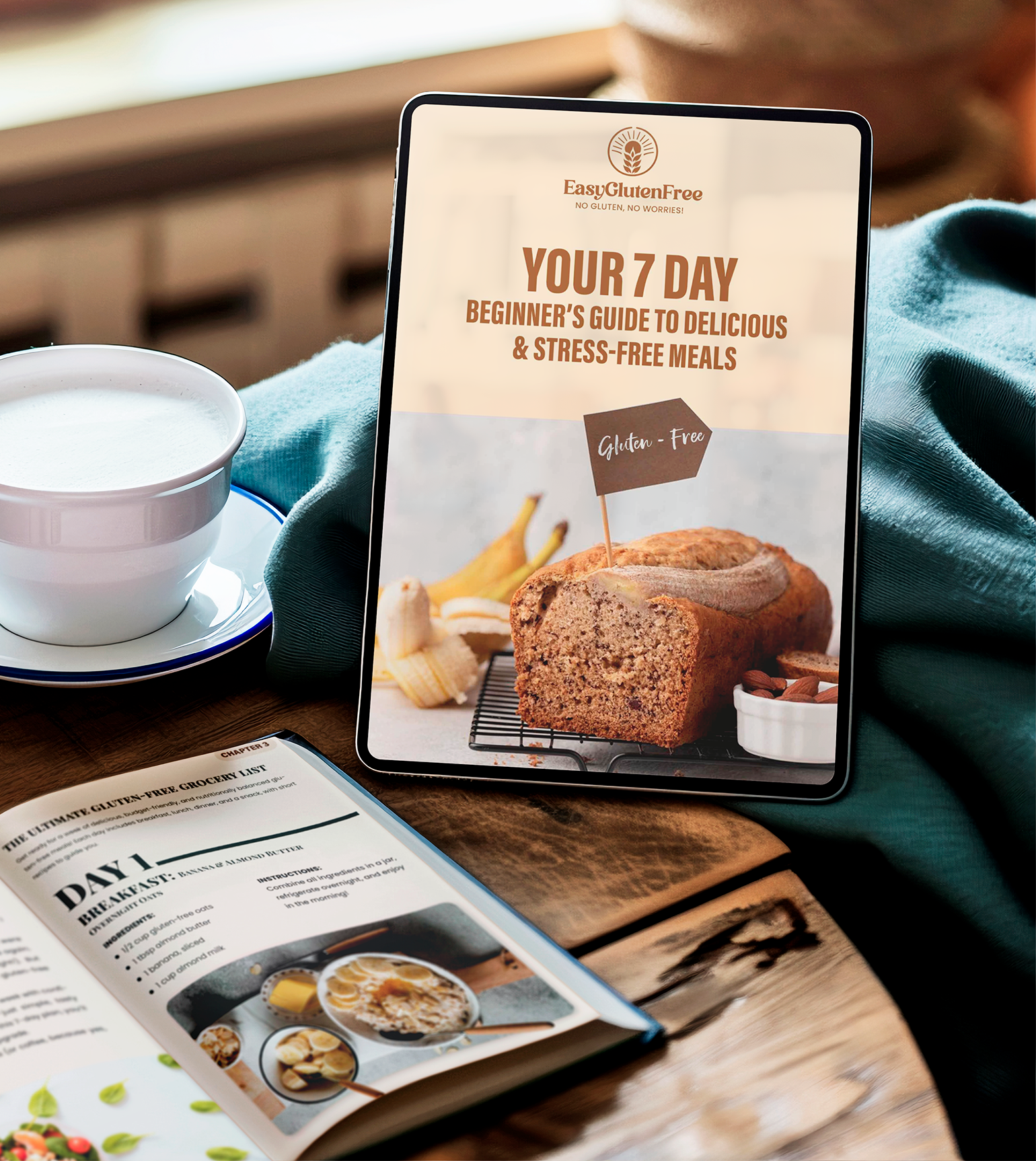
Free 7-Day Beginner’s Guide

We See You Googling
‘Easy Gluten-Free Dinner’ Again

Save your search history some stress. Grab our FREE 7-Day Beginner’s Guide and finally have a plan you can actually cook.

Free 7-day gluten-free beginner's guide