Mastering Gluten-Free Dining Out: A 2025 Guide
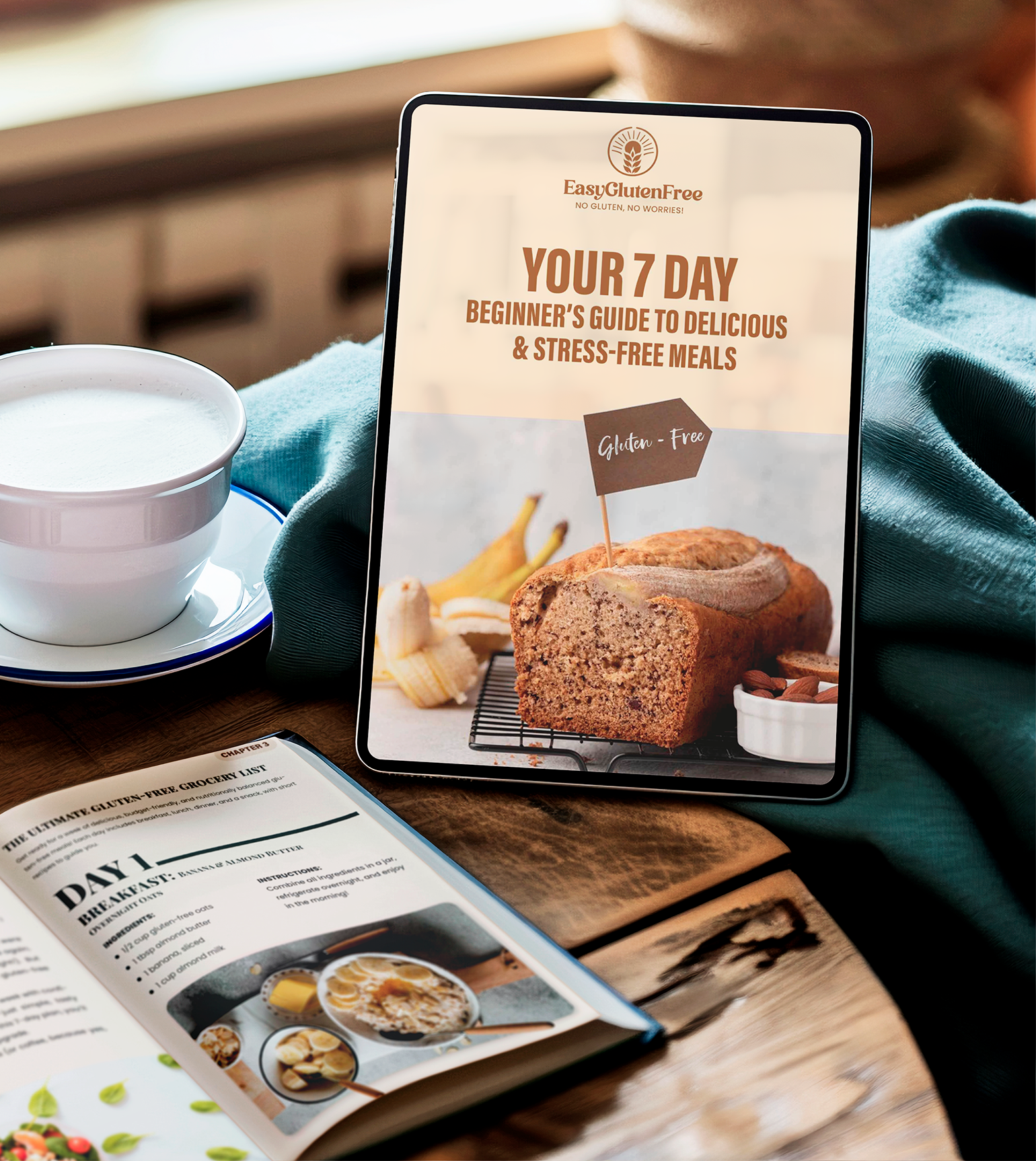
2025 Guide Download the Free Guide to Confident Gluten-Free Eating Out Gluten-Free Travel & Restaurants: How to Eat Out Without Getting Glutened Navigating restaurants, cafés, and airport food courts on a gluten-free diet can feel like a strategic mission. This guide walks you through how to order safely, read between the lines of menus, and advocate for yourself—so you can enjoy the social side of food again without constantly worrying about gluten surprises. Download Our Free Gluten-Free Starter Guide 7-day meal plan shopping list Tips & 3 beginner-friendly recipes download now Introduction Eating gluten free at home is one thing; trusting a stranger with your food is another. Travel, date nights, work lunches, and family celebrations almost always involve restaurants—and for anyone gluten free, that can mean stress, awkward conversations, and sometimes, getting “glutened” despite your best efforts. The goal of this guide is to help you move from anxious guessing to calm, repeatable strategies. You’ll learn how to choose restaurants that really understand gluten free, what to say to servers without feeling high-maintenance, and how to spot red flags before they become a ruined evening. Whether you’re medically gluten free or simply feel better avoiding gluten, these steps will help you protect your plate and your peace of mind. Consider this an evergreen roadmap: you can use the same questions, scripts, and habits in your hometown, on a weekend trip, or in a new country. With a bit of preparation and the right tools, it is absolutely possible to eat out, travel, and still feel like you’re living your life—not orbiting around gluten. Table of Contents ▾ 1. Planning Gluten-Free Meals Out: Before You Go 2. Ordering Safely: Conversation Scripts & Smart Tools 3. Travel-Specific Tips: Airports, Hotels & Road Trips 4. Hidden Gluten in Restaurant Foods (& How to Spot It) 5. Building Confidence Over Time: Systems That Stick 1. Planning Gluten-Free Meals Out: Before You Go The safest gluten-free restaurant experience actually starts long before you sit down at the table. A bit of prep work can dramatically lower your risk and your stress level. 1.1 Choose restaurants strategically Not all “gluten-free friendly” places are equal. When possible, look for: Dedicated gluten-free menus or clearly labeled GF items Cuisines that are easier to adapt (think: fresh Mexican, farm-to-table, steak houses, Mediterranean) rather than heavy breaded or pasta-focused cuisines Reviews from gluten-free diners on Google, Yelp, or dedicated GF apps that mention good staff knowledge and safe handling Smaller, chef-driven spots that cook from scratch and can explain ingredients clearly If you’re traveling, do a quick search like “gluten free restaurant near [city]” and then read the actual reviews—look for mentions of cross-contact, staff training, and successful visits from people who also need to avoid gluten. 1.2 Call ahead (yes, it really helps) A short phone call can tell you more than any website menu. When you call, you might say something like: “Hi! I need to eat strictly gluten free. Do you have options that can be prepared without gluten, and can your kitchen avoid cross-contact with gluten (like shared fryers, cutting boards, or pasta water)?” Pay attention to how the person answers: Good signs: they know what gluten is, mention separate prep areas or procedures, or offer to check with the chef. Red flags: “We have salad, you’ll be fine,” “Just avoid the bread,” or “We’re not really sure.” If you’re traveling internationally, you can keep translated “gluten free” explanation cards in your phone or wallet to make the conversation easier in another language. 1.3 Check menus with a “gluten radar” When you browse menus online, practice scanning for both safe bets and likely problems: Often easier to make GF: grilled meats or fish, salads without croutons, rice-based dishes, baked potatoes, veggie plates, tacos with corn tortillas (if verified GF). Often risky: fried foods (shared oil), anything “crispy” or “battered,” soups and sauces (they’re often thickened with flour), imitation crab, soy sauce-based dishes, and desserts that aren’t clearly labeled GF. If you can identify a couple of dishes that look easily adjustable (like “hold the bun, no sauce, no croutons”), you’ll feel much more confident when you arrive. 1.4 Always have a backup plan Even with planning, a restaurant can turn out to be less safe than it looked. That’s why it helps to: Save two or three backup restaurants nearby in your map app Carry a small GF emergency kit—pack shelf-stable snacks like nuts, GF crackers, bars, or instant oatmeal you can make with hot water For travel days, eat a substantial meal before you go so you’re not stuck choosing between “maybe glutened” food and being starving When you assume you might need a backup, you’re never stuck. And ironically, that mindset usually makes the whole outing feel more relaxed. Need Help Staying Organized? Plan meals & shopping Stay on track with ease See Planner 2. Ordering Safely: Conversation Scripts & Smart Tools Once you’re seated, the most important tools you have are your words. Your goal is to clearly communicate your needs without apologizing for them—and to quickly gauge whether the restaurant can genuinely support you. 2.1 How to talk to your server with confidence Use simple, specific language. Instead of “I’m gluten free,” try something like: “I need my meal to be completely gluten free, including avoiding cross-contact with gluten. Can you help me choose a safe option, or check with the chef?” This signals that you’re not just skipping bread for fun; you’re asking for a real process. When discussing menu items, you can ask: “Is this grilled on a shared surface with breaded items?” “Do you use a shared fryer for fries and breaded foods?” “Is there flour or soy sauce in this sauce or marinade?” “Can you prepare this in a clean pan with clean utensils?” Servers who are used to gluten-free diners will recognize these questions and usually have clear answers. If they seem uncertain, ask them (kindly) to double-check with the kitchen. 2.2 Sample order scripts