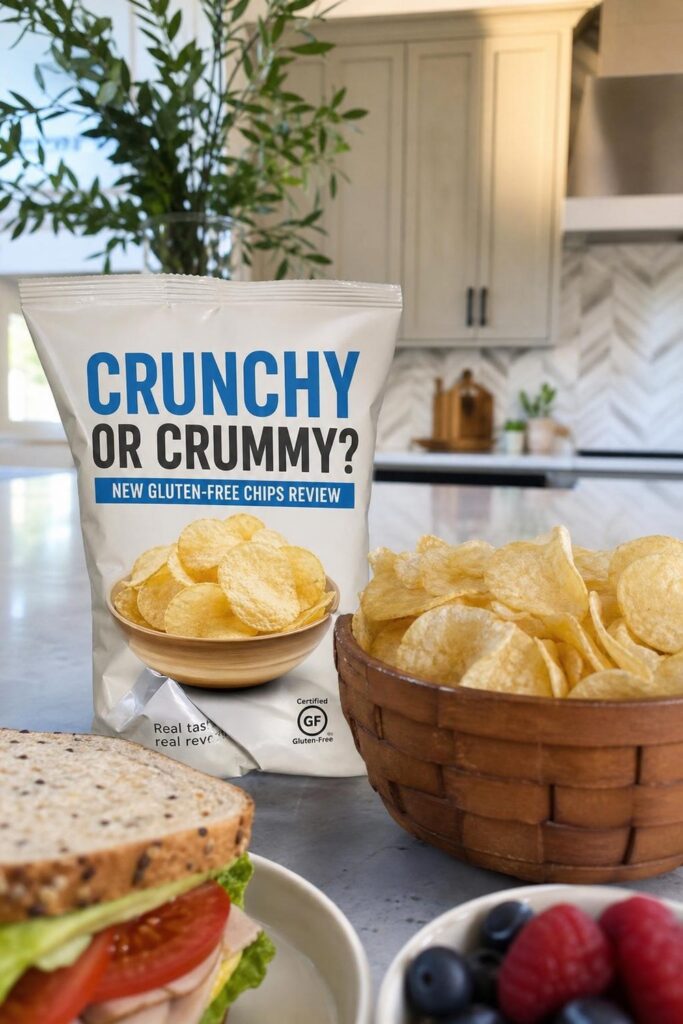
Trendy New Snacks: Do These Gluten-Free Chips Actually Crunch?
2026 Guide Your 7-Day Beginner’s Guide to Delicious & Stress-Free Meals Trendy New Snacks: Do These Gluten-Free Chips Actually Crunch? Chips: the forbidden fruit of the gluten-free world. Are these trendy new snacks going to give us the crunch we crave, or should we just stick with our good ol’ popcorn? Let’s find out. Download Our Free Gluten-Free Starter Guide 7-day meal plan shopping list Tips & 3 beginner-friendly recipes download now Introduction Picture this: you’re lounging on your couch, the sun pouring into your Sunday light kitchen, and your snack cravings hit—hard. But wait! The guilt of gluten descends like an unwelcome house guest throwing a fit over your tater tots. Fear not, my fellow gluten-free warriors! A new wave of gluten-free chips has swept onto the shelves, promising crunch that could distract from those drab days of stale rice cakes. So, do these snacks live up to the hype, or should we ditch them faster than that gluten-filled pizza from last Friday? Here’s the breakdown: gluten-free chips are the wild child snack of our realm. Some bring the flavor and the crunch, while others… well, resemble sad, crumbly bits of disappointment. Reading food labels can make you question your life choices—carb counts, ingredient lists, and that baffling ‘may contain gluten’ warning haunt our every snack. So, let me do the legwork for you and break it down: what’s worth your hard-earned snack dollars? In this blog, I’ve reviewed the latest gluten-free chips debuting on shelves, giving you a no-holds-barred look at their crunch factor. Spoiler alert: not all chips are created equal, but some might just sneak into your snack rotation. Now, onto the good stuff! Table of Contents ▾ 1. The Crunch Dilemma: What We’re Up Against 2. A Solid Foundation: Baking Flour to the Rescue 3. Crunch Criteria: What to Look For 4. My Take: A Good Crunch is Worth the Hunt 5. Next Steps: Crunch On, Friend! 1. The Crunch Dilemma: What We’re Up Against Let’s face it: the world of gluten-free snacking can resemble a high-stakes game of culinary roulette. With a long history of mishaps—like those ‘chips’ that turned out to be glorified paperweights—our expectations have hit rock bottom. We’re weary about the risk of buying a bag filled with sadness instead of seasoned deliciousness. Who wouldn’t be? It’s akin to ordering a salad at a pizza place and watching it wilt under the fluorescent lights. 660 gluten-free chips hit the shelves with whispers of crunch and flavor. But can they truly replace our beloved gluten-laden comrades? Or are they just another fleeting fancy, destined for the back of the pantry, collecting dust and regrets? 80% off for the next 2 months Make Gluten-Free Weeks Feel Less Chaotic Use the Easy Gluten-Free Planner to map meals, shopping lists, pantry backups, snacks, and freezer saves before the week starts bossing you around. Plan meals, groceries, and safe backup options in one place Keep track of family favorites, pantry gaps, and repeat buys Reduce last-minute “what can I actually eat?” decisions Buy the Planner 2. A Solid Foundation: Baking Flour to the Rescue As we venture into this crunchy conundrum, let’s not forget our kitchen essentials. Enter Bob’s Red Mill Gluten Free 1 to 1 Baking Flour—your trusty sidekick in the gluten-free baking arena. Although we’re diving into chips here, the reality is that sometimes, we need backup when a snack just won’t do the job. This flour is like the dependable friend who swoops in when your fancy chips don’t cut it—perfect for whipping up some homemade gluten-free chips of your own. Why? Because it behaves beautifully and gives you the freedom to control the crunch! From chips to muffins, if you’re in the market for gluten-free wins in your baking, this is the flour to snag during your next grocery run. You’ll be golden, and so will your chips. Bob’s Red Mill Gluten Free 1 to 1 Baking Flour This is the gold-standard gluten-free all-purpose flour. It behaves beautifully in pancakes, muffins, cookies, quick breads — and it’s the ideal flour to recommend in ANY practical baking guide. Reliable, consistent, and approved by thousands of gluten-free home bakers. Perfect for articles about technique, substitutions, and baking success. View on Amazon As an Amazon Associate, Easy Gluten-Free may earn from qualifying purchases. We only feature products that fit the article topic. 3. Crunch Criteria: What to Look For So, how do you separate the crunchy gems from the crumby wannabes? Here’s a checklist to keep those snacks in check: Texture: Give them a gentle squeeze. If they feel like they could crumble into tiny bits with the slightest pressure, put them back. We want crunch, not confetti! Ingredients: Scan for whole ingredients. If the first few on the list read like a chemistry textbook, it’s time to reconsider. Natural flavors over “flavors” any day. Brand reputation: Check online reviews before you bite. Reddit is the haven of all things food (and drama), so see what fellow gluten-free snackers recommend. Trial size: When in doubt, grab a small bag first. It’s better to taste test and avoid committing to a giant bag of regret. Don’t let those shiny bags fool you into believing all are worthy! Armed with this knowledge, head to your favorite snack aisle with your gluten-free crown held high. Recipe Inspiration Try these gluten-free staples loved by thousands: Fluffy Gluten-Free Pancakes View More Classic Gluten-Free Chicken Pot Pie View More Loaded Gluten-Free Shepherd’s Pie View More 4. My Take: A Good Crunch is Worth the Hunt Having sampled these new contenders, I’ve observed an unfortunate truth: some do indeed crunch, and others might as well mimic the sound of a deflating balloon. Yet, I applaud the progress—there are glimmers of hope among this crunchy chaos. Brands are stepping up their game. The flavor profiles have transformed from bland to bold, surprising even the pickiest palate. My top picks did indeed satisfy the crunch and flavor needs, and I’d feel comfortable recommending