Blog

Your blog category

Blog

Navigating the Gluten-Free Life: Embracing Farmer’s Markets & Community

Settling into the rhythm of a gluten-free lifestyle can feel like learning a brand new language. The rules can seem complicated, the exceptions endless, and the shopping list intimidating. When you first commence your gluten-free journey, walking into a mainstream grocery store can feel like venturing into a labyrinth from Greek mythology. But don’t worry, my friends, you’re not alone. I’ve established a few guideposts throughout my time living and thriving in the gluten-free zone, and today, I’ll share some of those with you. Many of you asked for practical tips on how to navigate the bread aisle, hunt for the perfect pasta substitute, and even where to find those elusive gluten-free cookies that actually taste good. However, before we put on our shopping boots and battle the supermarket maze, let’s take a step back. Wherever possible, let’s ditch the labyrinth, and instead, embrace the beauty of local farmer’s markets. I know, I know, farmer’s markets may seem quaint, even a little trendy for some, but hear me out. This isn’t just about supporting your local farmers and community, which is certainly important. It’s also about making your gluten-free life a little bit easier and tastier. How, you ask? Well, I’m thrilled to share how wonderful these markets can be when you’re living the gluten-free life. First, farmer’s markets are all about fresh, whole foods. You’ll find a myriad of colorful fruits and vegetables, many of them organic, just-picked, and waiting to make your tastebuds tingle. Not sure which fruits and vegetables you can incorporate into your gluten-free diet? Check out my previous posts on gluten-free [Fruit Guide](www.easyglutenfree/fruit) and [Vegetable Guide](www.easyglutenfree/vegetables). The appeal of farmer’s markets stretches beyond fruits and veggies though. Many markets also offer fresh eggs, dairy products, meats, flowers, and even homemade artisan goods. Often, you’ll also stumble upon gluten-free stalls with breads, sweets, and pastas you may not find elsewhere. And the delights are not just confined to the food. The sense of community, regular pop-up events, cooking demonstrations, and live music make these spaces a real charm to spend your weekends. It may take you a few tries before you find the stalls offering gluten-free delights. Ask around, chat with the vendors, and soon, you’ll mysteriously find the gluten-free options revealing themselves. Remember, the mantra of gluten-free living is simplicity. Over time I’ve realized that the less I stress about ‘substitutes’ and more I focus on eating fresh, whole foods, the healthier and happier I feel. At a farmer’s market, you’re spoiled for choice with such options. While we’re on the topic of simplicity, let’s delve into a little different area – meal planning. I’ve written about the importance of meal planning in the gluten-free lifestyle before, and I still stand by its transformative power. It’s convenient, budget-friendly, and after a while, becomes a lovely Sunday afternoon routine. However, when you’re at a farmers market, feel free to throw caution to the wind and be a bit spontaneous. Spot some ripe, juicy berries you weren’t expecting? Pick them up! Found some crisp, fragrant herbs? Pounce on them! Get creative with what you find and allow these discoveries to inspire your meals for the week. Last but not least, let’s talk about the human connection in farmer’s markets. To be gluten-free is to often come with a dose of frustration. I’ve touched on this issue in my previous article on the [Social Challenges of Going Gluten-Free](www.easyglutenfree/socialchallenges). Each time you have to explain your dietary requirements, it can feel a bit draining. But guess what? At your local farmer’s market, you’ll establish a relationship with the vendors over time. They’ll get to know your needs, and many will go out of their way to help. They’ll point you towards their gluten-free products, keep you in the loop for new items, and even set aside goodies for you. The genuine care and connection you develop here will remind you that you’re not navigating this labyrinth alone. Going gluten-free doesn’t have to be an ordeal, my friends. Embracing a farmer’s market can feel like a push in the right direction. Invite family and friends along, make a day of it, and let the journey be one filled with support, discovery, and gastronomic delight. Remember, the goal is always to make your gluten-free life as easy, healthy, and joyful as possible. So, throw on that sun hat, grab your reusable bags, and let’s meet where the community thrives, and the fruits and vegetables are fresh from the sweet earth. Can’t wait to see you there! **Category: Lifestyle & Social**
Blog

“Golden Fluffy Pancakes: A Gluten-Free Success Story”

It was about 9 am on a Saturday when the insatiable craving for pancakes hit. Now we’re not talking about just any pancakes. We’re talking about big, fluffy, melt-in-your-mouth, gluten-free pancakes. Being on a gluten-free diet myself, this specific craving had always been a tricky one to satisfy. Of course, I’ve been around the gluten-free world long enough to know there are methods to match the “real thing”. But let’s face it: when you’re up against the infamous gluten-full pancake fluffiness, it’s a tough battle. Determined not to be defeated, I rolled up my sleeves, grabbed a bowl and a whisk, and set out on a mission to create the perfect gluten-free pancake recipe that would not only taste incredible but be fluffy and soft, just like its gluten counterpart. And guess what? I struck gluten-free gold. Flour. It’s at the kernel of every pancake’s heart. Choosing the right gluten-free flour for your pancake recipe can make or break the end result. Some might ask… hey Claire, why can’t we just use an off-the-shelf gluten-free flour mix? Well, my gluten-free gourmand, I’ve got some news. Remember our post on [the science of gluten-free flour composition](link here)? Just as we discussed then, no two gluten-free flours are created equal. Each kind comes with a unique combination of carbohydrates, proteins, and fats, which in turn affects texture, taste, and how the flour interacts with other ingredients. All-purpose gluten-free flours, the ones you’ll usually find at your typical grocery store, often use high-starch flours like rice or tapioca, which can sometimes result in a gummy, unsatisfying texture when you’re aiming for that fluffiness. Taking the time to create your own gluten-free flour blend, customized to the texture and flavor you desire, is what makes the difference. For my perfect pancakes, I found a blend of half sorghum flour and half millet flour offered the ideal balance between a light, fluffy texture and a satisfying, slightly sweet flavor. But creating that perfect gluten-free pancake isn’t just about flour. It also involves a little science in order to mimic the stretchiness that makes traditional pancakes so fluffy. Xanthan gum, my friends, is the secret ingredient. Adding just a pinch of xanthan gum to your gluten-free flour mix helps to replicate the elasticity that gluten typically provides. Besides the flour, there’s also the all-important leavening agent that contributes to fluffiness. The old standard, baking powder, works just fine, but perhaps we can do better. The bonus tip here is, a combination of baking powder and a little splash of cider vinegar gives your pancakes an extra lift, resulting in that cloud-like texture you’re seeking. Lastly, one of my favorite secrets, and a fun one to experiment with: carbonation. Yes, you read that right! Using a bubbly liquid in your batter can actually contribute to fluffiness. It seems counterintuitive to use something fizzy in your pancake mix, but the bubbles help to inflate the batter from the inside-out as it cooks. A splash of gluten-free beer, or even soda water, does the trick perfectly. Who knew, right? Before I let you go try your hand at this, there’s a final piece of advice to share. It’s all about the cooking process, and the secret here is… patience. Like in many aspects of life, rushing won’t get you what you want. Let each pancake slowly cook until you see bubbles forming on the surface, then gently flip and let the other side cook, too. That’s it, dear gluten-free friends. With a little bit of science and some patience, you can make your gluten-free pancakes fluffy and fabulous. Remember, it’s not about depriving yourself but rather about finding creative ways to enjoy the flavors and textures you love. Happy pancake making! Oh, and while your mouth-watering pancakes are cooking, why not brew a refreshing pot of our [homemade gluten-free chai](link here)? Pancakes and chai – sounds like a breakfast from heaven, doesn’t it? **Category: Baking & Cooking Science**

Blog

The Gluten-Free Chronicles: Tales and Truths from My Journey

Every page of my gluten-free journey has many tales ingrained and, through each tale, a profound truth about living gluten-free pristinely revealed itself. Some of these truths were as subtle as a budding blossom, others as striking as a sudden symphony. But each resonated, and here, I invite you to join me on this riveting journey as we explore them together. Let’s go back to the first day I embarked on my gluten-free journey. I was visiting my mother’s house, and despite being a fantastic cook, she was fairly new to gluten-free cooking. I can still vividly conjure the memory of her fishing out a charred gluten-free pizza from the oven, looking like a relic from an archaeological dig. Her expression was a mix of despair and determination as she said, “There has to be a trick to these gluten-free baked goods”. And surprisingly, there was. It wasn’t long before she unearthed the secret to delicious, light, and crispy gluten-free pizza crust, which we recently shared in our [20 Gluten-Free Baking Hacks You Need To Know](linkhere). **Truth Number One**: Mastery of gluten-free cooking and baking isn’t insurmountable. In the beginning, it’s easy to be disheartened by your gluten-free kitchen disasters. The key is perseverance and learning the small tweaks and tricks that will collectively transform your dishes. Even if you ruin a pizza or a muffin badly enough that even the dog wrinkles his nose, remember that failure is the stepping stone to success. Just when I thought I’d mastered the titbits of gluten-free baking and cooking, another aspect of my life pinged for attention: social engagements. The thought of attending dinner parties and get-togethers grew daunting. How would I safeguard myself against gluten contamination? What if my friends accidentally included a gluten-rich ingredient? I’m sure many of you have found yourself in this same boat. Perhaps you remember our post titled [Dealing with Contamination Anxiety](linkhere), where we addressed how to confidently navigate social situations. **Truth Number Two**: Going gluten-free may seem inhibiting initially, but it doesn’t have to stay that way. With education and communication, you can transform any social event into an enjoyable and safe experience. Educate your loved ones about your dietary needs, communicate your concerns and seek their understanding. Be proactive in suggesting gluten-free meals or even offer to bring a dish. And don’t forget, each challenging social event you navigate successfully is another victory. A month into my gluten-free life, I experienced an unexpected incident. During a regular grocery run, I reached out for a familiar brand of my favourite juice. Upon revisiting the label, I was shocked to see it contained gluten. I felt betrayed! But this incident completely changed my approach to shopping. **Truth Number Three**: When you embrace a gluten-free lifestyle, reading labels becomes second nature. Regardless of how familiar an item is or how many times you’ve bought it before, don’t skip the label scrutiny. Manufacturers may change their recipes or processing methods, leading to unexpected sources of gluten. This also opens doors to experiment with new brands and products that cater exclusively to gluten-free requirements. The first holiday season on a gluten-free diet evoked mixed feelings. On one hand, I was excited about the possibilities; on the other, I feared the laborious task ahead. Traditional egg nog, stuffing, pies! How would I craft gluten-free versions without losing the comfort in those traditional recipes? **Truth Number Four**: Adapting favourite recipes to a gluten-free diet can be a fun and plentiful process if you let it. It’s not merely about finding alternatives but tweaking flavours and textures until you hit that sweet spot. Creating a gluten-free version of grandma’s famous pumpkin pie could turn into one of your best Thanksgiving memories! My greatest fear at the onset of my gluten-free journey was the possibility of never satisfying my craving for freshly baked bread. The thought would often initiate an internal struggle. But then I discovered the power of gluten-free bread machines! Life-altering. **Truth Number Five**: Technology can be a true ally on your gluten-free journey. There are numerous innovations, like the gluten-free bread machines, which make life infinitely easier. Tools and online resources can transform challenges into opportunities. They make what appeared as a limitation into an enjoyment, from gluten-free bread machines to fantastic recipe apps, from online shopping that filters gluten ingredients to community blogs that share lived experiences. In all these truths discovered, I’ve realised the essence of living gluten-free isn’t just about subtracting something from your diet but about adding a whole new array of skills, resources, products and experiences that add a fresh dimension to your life. It’s about comprehending the science of your body, celebrating the diversity of ingredients, feeling the thrill of successful experiments, owning the pride of educating others and basking in the joy of gluten-free living. Remember how each path travelled taught us something invaluable. Let’s continue this journey together, unravelling facets of the gluten-free lifestyle and creating our own masterpieces. **Category: Gluten-Free for Beginners**

Blog

Gluten-Free Seafood Delights: A Deep Dive

Hello, my lovely gluten-free friends! One of the things I’ve always loved about the gluten-free community is our shared spirit of adventure and the way we enjoy finding delicious alternatives for our favorite comfort foods. After all, even though we’re unable to consume gluten, it doesn’t mean we should miss out on the joy of preparing and tasting mouth-watering meals from diverse cuisines, right? To that purpose, I’m beyond excited to share my deep dive into the seafood kingdom, with all its potential for our gluten-free menus. Seafood can be an excellent source of protein, omega-3 fatty acids, and essential vitamins and minerals. Plus, it’s naturally gluten-free, making it a perfect candidate for our gluten-free feasts. But before diving any further, let’s ensure we’re navigating these nutrient-rich waters safely. As with any food, sourcing and preparation are critical aspects to consider when incorporating seafood into our gluten-free diets. While fresh, unseasoned seafood is naturally gluten-free, certain processed and pre-prepared options may contain hidden gluten. This could be from a number of sources, including breading, marinades, and even imitation seafood — yes, you read right, not all imitation seafood is gluten-free! For those just starting out on their gluten-free journey, our previous post, [Understanding Gluten: A Comprehensive Guide](#), is a fantastic place to start. It will equip you with the foundational knowledge you need to understand what gluten is, where it’s usually hidden, and why some of us need to avoid it altogether. When it comes to preparing and cooking seafood, we have so many wonderful recipes and flavourful directions to explore. There’re light, zesty ceviches, moreish, smoky grills, and luxurious, slow-cooked stews, just waiting to be savored. I’ve always held that the real joy of seafood lies not only in its taste, but also in its sheer versatility. Marveling at a rich, creamy bowl of clam chowder got me thinking – how can we recreate this beloved dish in a gluten-free avatar without compromising on taste, creaminess, or consistency? After several rounds of experimenting, I cracked it! We can replace the traditional wheat flour roux (used for thickening the soup) with gluten-free alternatives like cornflour or rice flour. Alternatively, potatoes – with their natural propensity to break down and thicken soups – can add a creamy texture while also lending additional flavor. You can find the full gluten-free chowder recipe in our [Mastering Gluten-Free Comfort Foods](#) post. When it comes to partaking in social events at restaurants, most seafood dishes appear harmless at first – after all, how could a grilled fish or a shrimp cocktail possibly contain gluten? Yet, as with all dining out experiences on a gluten-free diet, it’s essential to remain cautious, make inquiries, and ensure each component has been prepared without gluten contamination. Beware of cross-contamination when ordering seafood at eateries; even though your chosen dish may be listed as gluten-free, it could be prepared using utensils or in an environment that handles gluten-containing ingredients. Another tricky area to watch out for when trying to maintain a gluten-free lifestyle is oriental cuisine which has a lot of sauces that contain soy. Traditional soy sauce, often used in glazes and marinades for seafood, is brewed with wheat, meaning it has gluten. Fortunately, gluten-free soy sauce options are available. Tamari, for instance, is a Japanese variant that is typically gluten-free and offers the same umami flavor as conventional soy sauce. Now that we’ve covered a fair bit of ground (or should I say, water?), let’s don our aprons and dive into a world teeming with delicious opportunities. From the native coastal recipes scoured from remote corners of the globe to the cherished local seafood favorites, I look forward to our wonderful, gluten-free seafood adventure. Remember, as with everything, moderation is key. While seafood is rich in many essential nutrients, it’s important to balance it with a variety of other foods for a well-rounded, nutritious diet. Whether you’re someone who’s a long-standing member of the gluten-free community or someone who’s just dipping their toes into these waters, I hope this deep dive helped unravel the myriad dazzling, delicious, and, importantly, gluten-free possibilities that seafood offers. So, let’s break out those fishing nets, grab our chef hat, and embark together on this exciting flavor expedition! **Category: Health & Wellness**

Blog

“Exploring the World of Gluten-Free Grains: A Culinary Adventure”

In the beloved film “The Sound of Music,” there’s a classic line where Maria smiles and sings, “Let’s start at the very beginning, a very good place to start.” And so, as we embark on this journey toward understanding, let’s start at the very beginning – with the grains. Today, we’re going to dive into the wonderful world of gluten-free grains. Now, I could just list all the gluten-free grains for you, but where’s the fun in that? Instead, let’s turn this into a fascinating culinary globe-trotting adventure. After all, large parts of the world have thrived primarily on gluten-free grains for centuries. Let’s explore what some of these cultures have been up to and what we can learn from them. Let’s set our first course straight to South America, where an ancient grain, quinoa, reigns supreme. Quinoa is a grain that’s not just gluten-free but highly nutritious. It’s packed with all essential amino acids, iron, lysine, magnesium, and more. It’s no wonder the Incas referred to it as ‘chisaya mama,’ the mother grain. Today, in our world of increasing gluten sensitivity and celiac disease, quinoa has become somewhat of a sexy superstar. We’ve talked about [how to cook quinoa perfectly](hyperlink) before. Remember, it’s about letting that little grain unleash all the amazing nutty flavors it holds within. Leaping from South America, let’s take a trip to the heart of Africa. Here, we find a humble grain that has nourished nations for centuries – sorghum. In many African homes, sorghum is a staple. It’s versatile, and can be used in porridges, fermented in beverages, and ground into a flour that is excellent for baking. Remember our delicious adventure with [sorghum bread](hyperlink)? Not just gluten-free but a beautiful dive into a rich centuries-old culinary tradition. Our next port of call? Asia. This large and diverse continent has much to offer in the form of diverse gluten-free grains. Rice, for instance, has long been the principal food for over half the world’s population. That’s a lot of people relying on a gluten-free grain, isn’t it? Another Asian staple is buckwheat, which despite its name, is not a form of wheat at all. It’s a crop related to rhubarb and is popular in Japan, where it’s used to make soba noodles. Isn’t it amazing that while some of us hustle and worry about how to manage gluten-free, a significant part of the world has been serenely surviving on naturally gluten-free grains for centuries? Our culinary exploration of gluten-free grains wouldn’t be complete without venturing into the world of pseudograins. Pseudo…what, you say? Pseudograins! These are seeds that are commonly cooked and consumed like grains, but botanically they don’t fall under the same family. Some popular pseudograins are amaranth and millet. They are loaded with nutrients, protein, and fiber, and yes, you guessed it right – they are absolutely gluten-free! It’s important to note that these grains aren’t just alternatives we’re forced to survive on because proper grains are out of reach. They are nourishing, flavorful, and versatile in their own right. They add depth and new layers of creativity to our cooking. And this isn’t just about individuals who must eschew gluten due to health issues. No. This is about everyone prioritizing variety, nutrition, and exploring a diverse diet. Remember to store these grains properly once you bring them home; we’ve already discussed [how to keep your gluten-free grains fresh](hyperlink) to ensure they retain their nutritional benefits. As much as I’d love to keep globe-trotting (I’ve barely scratched the surface of the amazing gluten-free grain world), we need to reel in our exploration. I’ll leave you to do the remaining bit of traveling with your palate. So put on your adventure hat, grab a spoon or a spatula, and step into the exciting, wholesome world of gluten-free grains, knowing you are following in the footsteps of ancient cultures far and wide. In our quest to live a fulfilling gluten-free life, let’s not just aim to survive, let’s aim to thrive. By embracing these gluten-free grains, we not only cater to our health needs but also enrich our diet with varied tastes, textures, and nutrients from around the world. **Category: Gluten-Free for Beginners**

Blog

“Gluten-Free Fall Feasting: Comfort Foods and Cozy Cooking”

There’s something about the onset of autumn that makes me want to curl up with a good book, a cup of deliciously warm cider, and, of course, a plate of comfort food. The winds might be chillier outside, the leaves might be turning hues of gold and fire, but inside my kitchen, things are just heating up! It’s time to celebrate fall flavors—pumpkin, apple, cinnamon, and more—but, naturally, without gluten. To many, this might seem like a daunting task. Fall festivals and carnivals, after all, are rife with gluten-based goodies galore. Apple pies bursting at the seams, cinnamon donuts tantalizingly dusted with powdered sugar, pumpkin bread warm from the oven—oh, the temptation! But, fear not! Living gluten-free doesn’t mean you have to miss out on any of the autumnal indulgence. With the right ingredients, a bit of kitchen creativity, and an open mind, it’s possible to recreate all your fall favorites in a gluten-free avatar. What’s more, they will be every bit as tempting, comforting, and—let’s face it—downright delicious as their gluten-rich counterparts. Remember that fantastic article we did on [how to make gluten-free flours](insert link here) at home? This is where you’ll find those tips come in handy. Substitute your regular flour with almond flour, coconut flour, or oat flour to put together the base for your favorite desserts. For bread, you can even consider a mix of rice flour, potato starch, and tapioca flour to get that perfect blend. Of course, you’ll need a good binder to make sure your delicacies don’t crumble away—literally! Xanthan gum and guar gum are fantastic gluten-free alternatives that can replace gluten’s role in holding everything together. About a quarter or half teaspoon for one cup of flour would suffice—too much can make the final product “gummy.” A quick side note here—ensure that the ingredients you’re using are certified gluten-free. It’s possible for oats and certain other common ingredients to be cross-contaminated with wheat. Our [guide to understanding food labels](insert link here) could be a big help when you’re shopping for gluten-free ingredients. One charm of cooking, irrespective of the diet you follow, is that it’s as much an art as it is a science. Feel free to play around with the ingredients to make them suit your taste buds. After all, gluten-free doesn’t mean giving up on your cravings; it’s about finding new and exciting ways to cater to them! For instance, the spicy warmth of cinnamon makes for the perfect autumnal flavor. How about whipping up a gluten-free cinnamon cake for your next cozy indoor afternoon? Or perhaps a rustic apple crumble, with tart and sweet flavors melding and melting into a crusty, crumbly top layer that’s 100% gluten-free, of course. And remember, with the season of squash upon us, lean on the gorgeous range of flavors they bring. Pumpkin, a hardy fall favorite, doesn’t just have to be rendered into a creamy soup (although, who’re we kidding, that’s a match made in food heaven!). Toast the seeds for a tasty snack, cube and roast for a side dish or add it to your gluten-free bread mix for a seasonal twist! While we’re on the topic of including fall produce into our gluten-free lifestyle, let’s not forget the other wonderful veggies and fruits of the season. Sweet potatoes add a richness to any dish. Or try roasted brussels sprouts, a perfect side to your evening meal or as an addition to a warm salad. Cranberries, found in abundance, can be used to make a tangy sauce or jam or in baked goods for a tart spark. In essence, going gluten-free doesn’t mean you have to sacrifice taste and satisfaction-especially when the cozy comfort foods for autumn are considered. Oh, and remember to pair your gluten-free fall feast with some spectacular drinks! Infuse your apple cider with cinnamon sticks, cloves, and a bit of orange zest. Or how about a pumpkin spice latte, gluten-free style? You can find our secret recipe right [here](insert link here). Finally, don’t forget to enjoy the process. The fragrances, flavors, and the warmth of the season make for an inviting kitchen environment. So, put on your favorite playlist, roll up your sleeves, and dive into the fantastic world of gluten-free fall cooking. With our tips and the endless produce the season offers, you’re all set to make comfort foods that are not only good for your health but also for your soul. Remember, your gluten-free lifestyle is a celebration of health, taste, and creativity. Embrace it this fall, and share the joy of gluten-free cooking with your loved ones. Autumn, after all, is the season of sharing, giving thanks, and indulging in the best things in life—and that includes amazing, crispy-on-the-outside, tender-on-the-inside, oh-so-amazing gluten-free goodies! Happy cooking! **Category: Baking & Cooking Science**

Blog

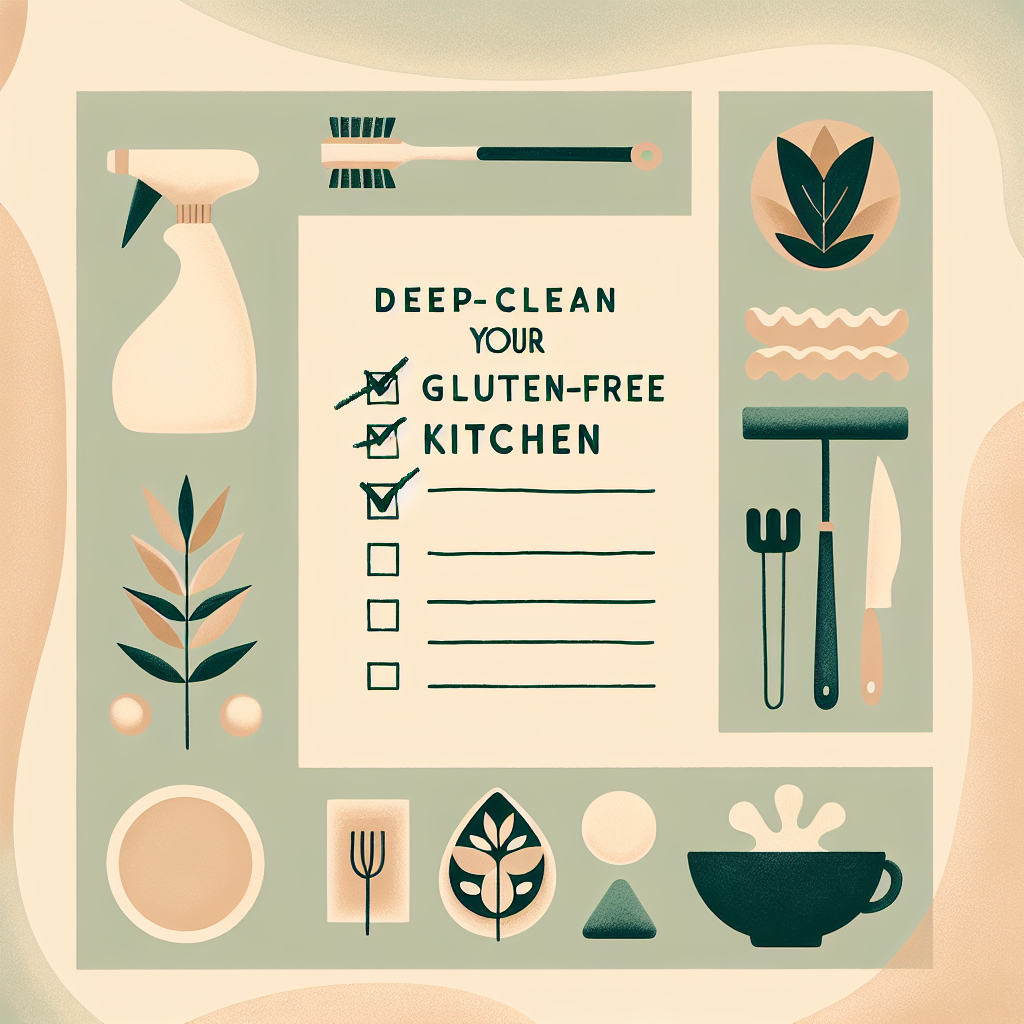
“Deep-Clean Your Gluten-Free Kitchen: A Guide to a Safer Haven”

Hello there, pals of gluten-free goodness! Now, I know you live life on the flavorful side because, let’s face it, life without gluten doesn’t mean life without excitement. And no, I don’t mean the kind of excitement that ends with you needing a new emergency backup dessert because your first choice ended up more in your hair than your mixing bowl. I’m acknowledging how creative and adventurous we get when we’re fully in our gluten-free element. So today, we’ll embark on a new adventure together. Instead of talking about alternatives to gluten or how to navigate a bakery sans a wheat blast, we’ll discuss a topic that’s often overlooked but is so essential in our gluten-free world — cleaning your kitchen gluten-free style! Yes, my dear companions, making your kitchen a gluten-free haven goes beyond the purchase and preparation of food. It also involves how you clean and maintain the space. When you share a kitchen with gluten-eaters (I fondly think of them as “glutenivores”), the art of cleaning up gains a whole new perspective. Let’s start with that lovely piece of kitchen real estate we all love – our countertops. Chop them, knead on them, or let a hot pot cool; they see more action than any kitchen utensil you can mention. But did you know that countertops can hold onto gluten longer than you’d expect? Gluten is a persistent scotch terrier — it just doesn’t want to let go! Even a quick countertop wipe with a paper towel can’t fully remove microscopic gluten particles. These invisible party crashers love to attach themselves to all kinds of surfaces. Here’s a little science nugget that points to why. Gluten contains two types of proteins, gliadin and glutenin. Gliadin is the cause of your potential discomfort, and it gives dough its doughy quality (hence the term “glutenous”). While we’ve tested out ways to break down gluten in our stomachs, getting it off your countertop requires a different approach – good old soap and water. Here’s the Easy Gluten Free approved countertop cleaning routine: 1. Clear any crumbs or droplets of food. 2. Wash the surface with warm soapy water and a clean dishcloth. 3. Rinse the area with clean water. 4. Let it air dry, or dry with a clean towel (remember, your towel can become a secret agent for gluten too!). I bet you didn’t know that gluten can be such a sticky wicket when it comes to cross-contamination. If not, that makes two of us. Now let’s move to our trusted kitchen appliances. They serve us well, heat our pre-made brownies, and store our late-night nachos (no judgement here). But typical appliances like microwaves, toaster ovens, and refrigerators can be a sneakfest for gluten. Remember the guide we shared a few weeks ago about avoiding cross contamination? The same principles apply here too. Consider having dedicated gluten-free toasters or cutting boards. How about re-dedicating the crisper drawer to be a gluten-free zone only? It’s like your personal fridge inside a fridge! Cleaning kitchen appliances also requires some TLC. For example, microwaves need a good wipe with a soapy water mixture. Leave no corner or microwave roof unchecked. And maybe it’s time to convince your family (or yourself) that the shared butter dish isn’t the best idea – remember the breadcrumbs! Toaster ovens require more work. Unfortunately, there’s no surefire way to ensure a toaster previously used with gluten-infested bread is perfectly gluten-free. It might be a good time to invest in a separate, gluten-free only toaster as an act of love for your gut. Now that we’re going through our living areas step by step, have you noticed our hands in cleaning gloves a little more than usual these days? That’s because of the vital role our hands play — not in baking or cooking, but in preventing cross-contamination. Our hands touch everything – from the ingredients, to tools, to surfaces. Keeping them clean before, during, and after meal prep is vital. A good scrub under warm water with soap for at least 20 seconds is the surest ticket to clean hands town. Oh! Here’s an interesting twist in the gluten-free drama – gluten can rival a chameleon in its ability to blend. Sometimes, gluten hides in places you’d least expect, like non-stick sprays, cleaning products, or even your kitchen soap. Always remember to read labels and be aware of the ingredients.Not just the food you eat needs a careful read, but the cleaning products you choose. Making your kitchen a gluten-free haven is a production of collaboration, diligence, and above all, understanding of what it takes to maintain a gluten-free lifestyle. But hey, if there’s anyone up to the task, it’s most definitely you. Now, who’s ready for some post-cleaning gluten-free cupcakes? I am! This makes our gluten-free world a bit boring? Ha, never! It adds another ambitious chapter to our repertoire. And the biggest plus? Our stomachs thank us. If you’re a gluten-free newbie or need a refresher, return to the basics in one of our most beloved posts, The Gluten-Free Starter Kit. We’ve got your back! Keep on being incredible, friends. **Category: Health & Wellness**

Blog

Unleashing the Gluten-Free Pasta World: A Guide to Navigating the Aisles

Today, let’s journey into the beautiful realm of gluten-free pasta. Oh yes, pasta – the wondrously versatile food that has stolen the hearts of many across the globe. Eating gluten-free doesn’t mean you have to bid farewell to this beloved staple. With a myriad of options available, gluten-free pasta has truly come a long way, making it much easier to enjoy a heaping plate full of spaghetti Bolognese, lasagne, or a creamy mac and cheese. But navigating the gluten-free pasta aisle can be quite a daunting task. Today’s post will guide you through the ins and outs of selecting the best gluten-free pasta for you and your loved ones. Traditionally, pasta is made of wheat, which is a rich source of gluten. This, unfortunately, is off-limits for those of us living a gluten-free life. The good news is, several alternative grains and ingredients are used to make gluten-free pasta. Right off the bat, you’ll encounter pasta made from brown rice, corn, quinoa, lentils, and countless more. Each type varies in terms of texture, taste, and nutrition, so your choice largely depends on your preferences. Our beloved brown rice pasta is an excellent choice for those who adore the conventional al dente pasta texture. It has a delightfully neutral flavor, which lets it effortlessly blend in with any sauce or choice of ingredients. Now, if you’re someone who’s invested in enriching your diet with protein and fibers, lentil and chickpea pastas could be your perfect pick. Their unique texture and flavor profile would bring an exciting twist to your pasta meals. For our mac and cheese enthusiasts, corn pasta, with its slightly sweet taste and golden hue works wonders. Are you worried about choosing the right type of pasta for your recipes? Fret not! Our extensive guide on gluten-free alternatives can be of help. Apart from that, remember, experimenting is key in the gluten-free kitchen. If you don’t like one kind, try another – until you hit upon the right fit. After all, everyone’s taste and digestion preferences differ. But hey, one crucial pointer I’d love to drop your way – look beyond the gluten-free labels. As many of us might have experienced, not all gluten-free products are created equal. Some gluten-free pasta may fall apart while cooking. Others could have a gritty texture or even a bland, off-taste. That’s why it always pays to read the reviews and experiment with different brands before settling on your go-to. While we’re on the subject of brands, let’s talk price. Gluten-free pasta is typically more expensive than conventional wheat pasta. But the differential need not be drastic. Compare prices across different brands. Some offer quality products at reasonable prices and honestly, nothing beats the joy of finding affordable, tasty, gluten-free pasta. If you’re a bit tight on the budget, we have a handy guide on budgeting for gluten-free meals that can be a useful resource for you. No conversation about gluten-free meals is complete without discussing the cooking part. Gluten-free pasta often requires different cooking techniques than its wheat counterpart. It typically cooks quicker, so keep an eye on the pot to avoid winding up with a mushy mess. Some varieties also release starch as they cook, making your cooking water a bit cloudy. Fret not, this is completely normal. You can use this starchy water to thicken your sauces for a heartier result. Rinse other varieties under cold water after cooking to eliminate any residual starch. Now, if you’re feeling adventurous, why not try making your own gluten-free pasta at home? It could be a fun weekend project! Making your own pasta gives you complete control over its ingredients, and lets you play with different flour blends until you achieve your desired taste and texture. Pair your homemade delicacies with our delectable gluten-free pasta sauce recipes for a complete, lip-smacking treat. As you take this gluten-free pasta journey, don’t forget to pair your meals with vegetables, lean proteins, and healthy fats to ensure a well-rounded, balanced diet. So, armed with these insights, I hope you feel a little more at ease the next time you step into the gluten-free pasta aisle or decide to whip up your own pasta at home. Remember, living a gluten-free life doesn’t mean missing out on your favorites – it’s about finding delicious alternatives and making slight adjustments to your conventional ways. So, it’s time to roll up your sleeves, experiment with different gluten-free pasta varieties and brands, and continue being the pasta aficionado that you are! **Category: Health & Wellness**

Blog

Navigating Gluten-Free Snacking: Tips and Tricks

Life in the gluten-free lane can sound pretty challenging. That’s especially true when you’re just starting and haven’t gotten the hang of it yet, or when you’re hungry and don’t have the time or energy to whip up something from scratch. That’s why when you’re on a gluten-free diet, snacking can be your saving grace in a world full of gluten-filled temptations. But worry not, dear reader, snacking doesn’t mean you’re limited to just fruits and nuts. There are a plethora of tantalizing treats you can indulge in, while still staying on track of your gluten-free lifestyle. Oh, and before we delve in, don’t be fooled by the myth that gluten-free equals healthy. It’s easy to overindulge in snacks — to the point where your healthy diet starts to resemble more of a junk food one, even if it is gluten-free! Always remember to snack mindfully and in moderation. First things first, let’s take a look at the basics of snacking gluten-free. You may be surprised to learn that some of your favorite fruits, veggies, and protein sources are naturally gluten-free. Fruits and vegetables are safe for consumption at any time and they make a pretty decent snack. Add some natural nut butter (but, always double-check for any ominous ‘may contain gluten’ labels), and you’ll have a snack that’s both nourishing and satisfying. We have talked a lot about healthy choices in [feasting the gluten-free way](blog-list-1), but snacking is a different ball game that comes with its unique rules and regulations. For those with a sweet tooth, fear not. Most dark chocolate is gluten-free and makes a delicious treat. Some ice cream flavors are also gluten-free, but you may want to stick with the simple varieties that don’t come laden with toppings and mix-ins, as those could likely contain gluten. Now, for the protein-lovers out there, most basic forms of meat and fish are gluten-free, just beware of breaded or marinated versions. Hard-boiled eggs can also serve as an excellent protein-packed gluten-free snack. However, as a reminder from our earlier post on [understanding gluten](blog-list-2), not all food products that are marketed as gluten-free have been processed to remove all traces of gluten. Keep this in mind when shopping for your favorite snacks. Moving away from naturally gluten-free snacks, there are countless gluten-free products available on the market. These range from the healthy (like gluten-free granola bars) to the not-so-healthy (like gluten-free cookies). Always take a moment to read the labels and check for any added sugars, artificial flavors, or other unhealthy additives. They might be gluten-free, but they may not necessarily be healthy, so always consume them in moderation. Next up, let’s talk about popcorn. Yes, I said popcorn! This whole grain is usually gluten-free and makes for a perfect light snack. You can enjoy it plain, or toss it with some nutritional yeast for a cheesy, yet dairy-free flavor. However, for those who enjoy seasoned popcorn, be wary as some flavorings might contain gluten. Again, always check the labels. Rice cakes are another fantastic gluten-free snacking option. They’re an excellent vessel for an array of toppings – think avocado or peanut butter, for instance. Also, consider gluten-free crackers paired with cheese, although, remember to consume dairy in moderation if you’re lactose intolerant. For those on the go, there’s an array of gluten-free protein bars that you can slip into your pocket for a quick nibble. However, many of these seem more like candy bars than a healthy snack option, so beware of high sugar or unhealthy fat content. In closing, I would like to remind you that it’s okay to give in to cravings once in a while! Just because a food item is gluten-free, it doesn’t mean you should deprive yourself of enjoying it. Be mindful of portion sizes, be aware of nutritional content, and remember to balance it out with physical activity. After all, the gluten-free lifestyle is not about restrictions, it’s about finding healthier alternatives and taking control of what you eat. With the right information and a bit of creativity, snacking can still be a delightful and guilt-free experience. Stay strong, gluten-free warriors! **Category: Health & Wellness**

Blog

Delightful Discoveries: Gluten-Free Subscription Boxes

Whenever I find myself ambling through the aisles at the grocery store, I feel like a detective on a grand quest. Reading labels meticulously, scrutinizing ingredients, ensuring there isn’t a trace of gluten lurking behind sneaky food pseudonyms. It’s an art, really — a skill that I, and many other gluten-sensitive individuals, have had to master over the years. Yet, I often reminisce about the days when spontaneous midnight ice cream runs or grabbing a pizza to-go did not require a background check of the ingredients. Believe it or not, there is a way to relive these carefree culinary adventures. The secret snippet I want to share today is gluten-free subscription boxes! Yes, my dear friends! Gluten-free subscription boxes are like a jolly gluten-free Santa who delivers an array of treats to your door, all guaranteed to be gluten-free. It is a simple and exciting way to explore new foods without constantly worrying about gluten content, and opens doors to a whole new world of diverse, delightful eating experiences. So, how do these subscription boxes work, and what are their benefits? Sit tight, as we unwrap this gluten-free gifting mystery one layer at a time. **Gluten-Free Subscription Boxes: An Unpacked Wonder** Gluten-free subscription boxes work under a simple principle. For a set monthly fee, you receive a carefully curated box of gluten-free goodies right to your doorstep. This could include a range of products including ready-to-eat snacks, baking mixes, pastas, or even condiments. Some boxes focus on sweet treats while others might deliver more gastronomically adventurous fare. These companies take great care to source products from trusted gluten-free brands, giving you peace of mind that what you’re eating is both safe and delicious. You might be wondering — why go for a subscription box when your local grocery store may offer a gluten-free section? That’s a fair question. But let me tell you, these gluten-free boxes come with a bunch of benefits that the grocery store aisles just can’t match up to. Let’s delve into them, shall we? **Trying New Eats Without the Risk** Firstly, gluten-free subscription boxes are a risk-free way to explore the vibrant world of gluten-free food. For someone newly diagnosed with a gluten intolerance or Celiac Disease, these boxes are a fantastic starting point into the gluten-free lifestyle. Remember when we talked about how to acclimatize to a gluten-free diet when newly diagnosed? It’s quite daunting initially, with grocery store trips turning into head-scratching riddles. Gluten-free subscription boxes can alleviate such woes, letting you experiment with different flavors and foods without risking accidental gluten consumption. **The Gluten-Free Sampler** Imagine having the option of tasting a variety of gluten-free goods, from many different brands, all in one place. Sounds pretty amazing, right? That’s precisely what you get in these boxes. Many of us, including myself, fall into food routines—we find something that tastes good and is gluten-free, and we stick with it. This can cause our diets to become rather monotonous. Subscription boxes keep things interesting by delivering a diverse range of products, ones you may not even know existed, right to you. Cookie dough energy balls, anyone? **Convenience and Comfort** Perhaps the reason I hear most often for loving gluten-free subscription boxes is the sheer convenience. Anyone following a gluten-free diet knows the drill—every new product means painstakingly checking and cross-checking for gluten or possible cross-contamination. With subscription boxes, that worry is completely eliminated. Moreover, for those living in remote areas or in locations where gluten-free options are limited, these boxes are a godsend. They cater to your needs regardless of your geographical location, making it a comfortable and convenient option. **The Joy of Gifting** Lastly, gluten-free subscription boxes make for fantastic gifts. Do you remember our post about living gluten-free during the holidays? During such times, gluten-free individuals often feel left out due to limited safe food options. Gifting a gluten-free subscription box is an act of understanding, inclusivity, and, unquestionably, love. So, if you know someone who’s gluten intolerant or Celiac, or even if you’re looking to treat yourself (yes, self-love is important), consider exploring the world of gluten-free subscription boxes. It’s almost magical when you realize how much gluten-free goodness exists out there. Remember, the path to safe, delicious, and diverse gluten-free eating doesn’t have to be daunted by endless label-reading, and the fear of “gluten goof-ups.” There are resources and options available to make this journey easier, more pleasant, and certainly more delectable. Has a particularly delightful gluten-free subscription box caught your eye? Are there other ways you add variety to your gluten-free diet? I’d love to hear your thoughts and experiences. **Category: Lifestyle & Social**
Scroll to Top

We See You Googling
‘Easy Gluten-Free Dinner’ Again​

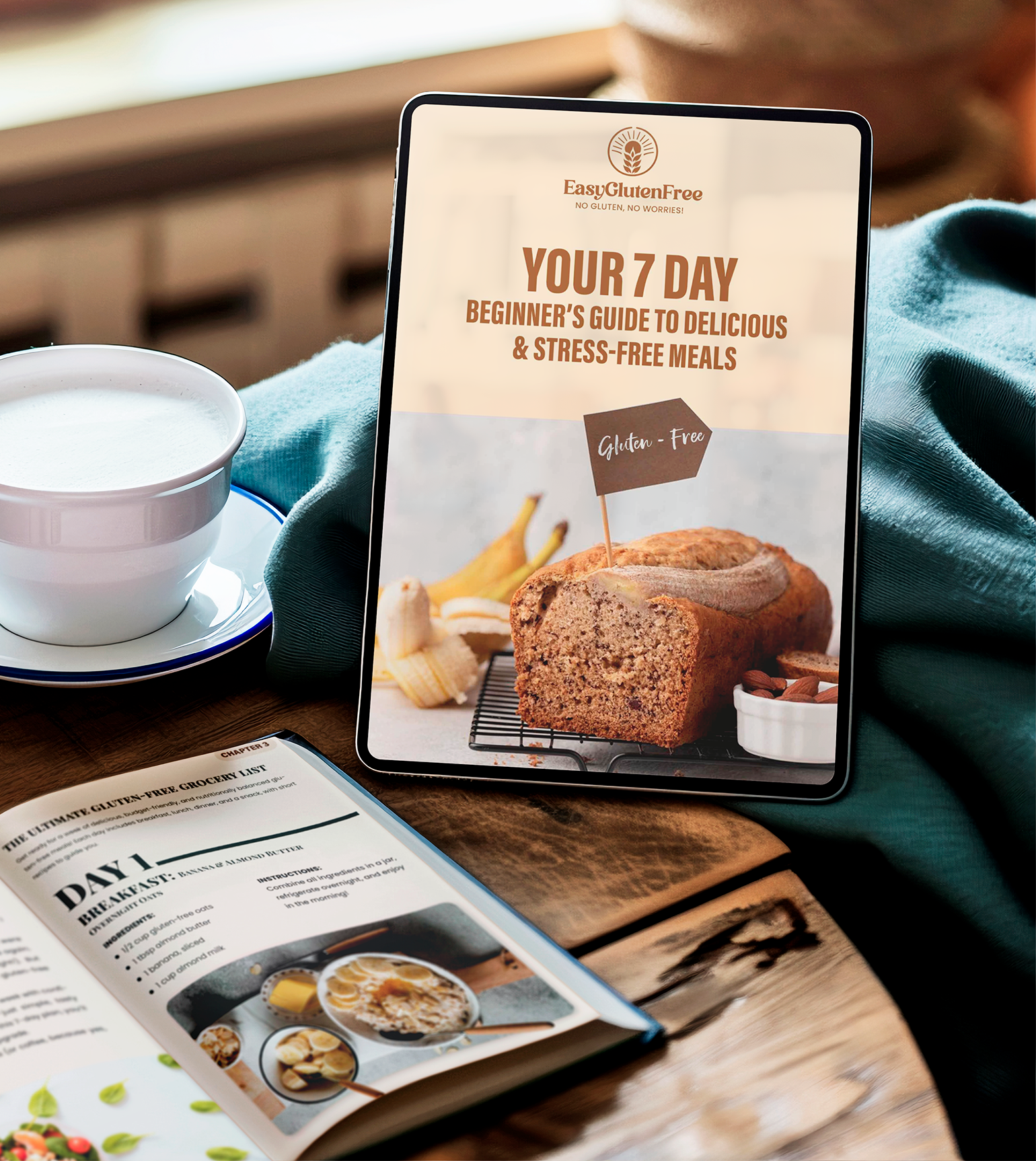
Save your search history some stress. Grab our FREE 7-Day Beginner's Guide and finally have a plan you can actually cook